
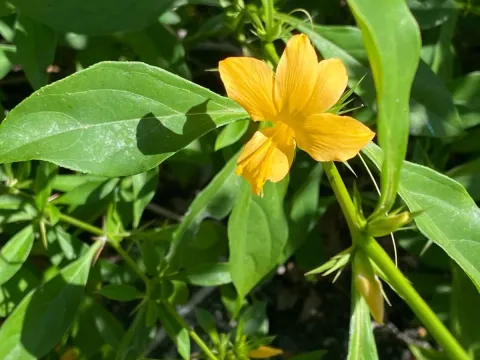
Barleria prionitis
Barleria prionitis
Sowing of Barleria prionitis seeds is best initiated in early spring once soil temperatures remain consistently above 20 degrees Celsius. Using a nutrient-rich, well-draining substrate is vital for successful seedling emergence.
What the section contains
Barleria prionitis
Seeds should be planted at a depth of approximately 1 to 1.5 centimeters to ensure adequate moisture retention and protection from drying out. Maintaining consistent humidity during the first two weeks is crucial for a high germination rate.
Vegetative propagation via cuttings is frequently preferred in agricultural practice to ensure genetic uniformity. Semi-hardwood cuttings take root effectively when placed in a sand-vermiculite mix under controlled humidity.
Seedlings require a hardening-off period before being moved to the field. Gradual exposure to sunlight and outdoor temperatures ensures that the plants are resilient enough to handle transplanting stress.
Spacing is a critical factor for the development of mature shrubs. A planting distance of 70 to 80 centimeters between individual plants is recommended to facilitate proper air circulation and ease of maintenance.
As a member of the Acanthaceae family, Barleria prionitis thrives in tropical and subtropical climates. It requires significant sunlight for at least six to eight hours per day to sustain vigorous vegetative growth and blooming.
The plant prefers light, loamy soils with excellent drainage capabilities. Excessive water retention in the soil can lead to root rot, which is the most common physiological challenge when cultivating this species.
Ideal temperatures for active growth range between +22 and +30 degrees Celsius. The crop is sensitive to prolonged cold and frost, which can cause significant tissue damage or death to the plant's terminal shoots.
While the plant exhibits moderate drought tolerance, regular irrigation is necessary during the flowering phase to maximize yield. Automated drip irrigation systems are highly effective for managing soil moisture levels.
Balanced fertilization using NPK formulas with a slight emphasis on phosphorus promotes root development and denser foliage. Periodic applications of organic compost can also improve the overall soil structure over time.
Spider mites are common pests that thrive in the warm, dry conditions preferred by Barleria. Effective management involves regular scouting and the use of targeted acaricides when infestation thresholds are exceeded.
Fungal diseases, including stem rot, often develop in poorly ventilated fields with high humidity. Proper field sanitation and the removal of plant debris help significantly reduce the risk of pathogen outbreaks.
Aphids can target soft tissue and developing flower buds, negatively impacting the reproductive success of the plant. Systemic insecticides are recommended if biological control methods prove insufficient during heavy infestations.
Root diseases, such as those caused by Phytophthora species, are typically linked to over-irrigation. Correcting the water management strategy is usually the first step in restoring the health of the crop.
Integrated pest management (IPM) practices should be employed to reduce reliance on chemicals. Encouraging natural predators, such as ladybugs, can provide sustainable protection against common sucking insects.
Harvesting strategies vary depending on whether the primary goal is leaf production or root extraction. Leaves are typically collected during the peak flowering stage to ensure the highest concentration of phytochemicals.
Roots are harvested at the end of the growth cycle, usually in late autumn, when the plant has entered dormancy. This timing ensures that the root system is rich in stored nutrients and bioactive compounds.
Post-harvest processing involves immediate cleaning to remove soil particles and debris. Washing should be performed carefully to avoid mechanical damage to the delicate parts of the harvested material.
Drying must be conducted in controlled environments with temperatures not exceeding 50 degrees Celsius to prevent the degradation of heat-sensitive active ingredients. Proper ventilation is essential for even drying.
Finished raw material should be packaged in breathable, moisture-proof containers. Storing the product in dark, climate-controlled rooms prevents mold growth and preserves quality for an extended shelf life.