
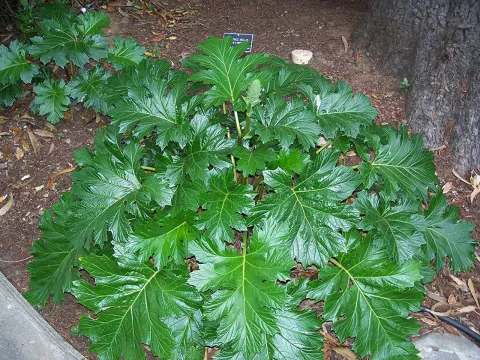
Bear's breeches
Acanthus mollis
Propagation of Acanthus mollis can be achieved through seeds or division of mature clumps. Seeds benefit from cold stratification for several weeks to break dormancy and ensure uniform germination in the spring.
What the section contains
Bear's breeches
When starting from seeds, use a well-draining potting mix and keep the containers in a cool, bright spot. Seedlings should be hardened off before being transplanted into their final garden positions.
Division is the most reliable method for established plants, best performed in early spring or autumn. Carefully dig up the root system and split it into sections, ensuring each piece has healthy growth buds.
Space new plantings at least 60 to 90 centimeters apart, as the plant develops a broad, imposing basal rosette that requires significant space. Avoid deep planting to prevent crown rot.
Once established, Acanthus mollis is a long-lived perennial that thrives in the same spot for many years. It is important to choose the planting location carefully, as the deep roots make it difficult to transplant later.
Bear's breeches (Acanthus mollis) is a member of the Acanthaceae family, known for its deep green, glossy, architectural foliage. Originally from the Mediterranean, it is highly valued for its striking flower spikes.
The plant prefers fertile, well-draining soil with a neutral to slightly alkaline pH. It thrives in full sun but appreciates some afternoon shade in regions with extremely high summer temperatures.
Soil structure is critical; ensure the site has excellent drainage as the fleshy roots are highly susceptible to rot if they sit in waterlogged soil during the winter months.
Watering requirements are moderate. While the plant can tolerate short periods of drought once established, regular deep watering during dry spells ensures more robust foliage and better blooming.
Winter care involves providing a generous layer of mulch over the base of the plant in colder climates. This protection is essential to insulate the crown and roots from severe frost damage.
Slugs and snails are the most common pests for Acanthus mollis. They are particularly attracted to the large, tender leaves and can leave unsightly holes if left unmanaged in the garden.
Fungal diseases, such as powdery mildew, may occur during seasons with high humidity or poor air circulation. Proper spacing and removing dead foliage help reduce the risk of infection.
Root rot is a significant threat, usually caused by overwatering or poorly drained heavy soils. If the plant shows signs of sudden wilting or yellowing, check for moisture levels and improve drainage.
Regular maintenance, including clearing debris from around the base and monitoring for pests, is the best preventive strategy. Hand-picking slugs or using organic barriers can effectively manage infestations.
For chemical control of severe outbreaks, select specific fungicides or molluscicides labeled for use on ornamental perennials. Always apply treatments according to the manufacturer's safety instructions.