
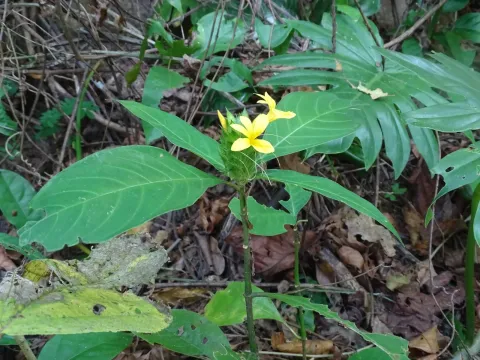
Barleria oenotheroides
Barleria oenotheroides
Barleria oenotheroides is a notable member of the Acanthaceae family. This perennial herb is characterized by its distinct foliage and unique floral structure, which makes it a species of interest for specialized horticulture and botanical collections.
What the section contains
Barleria oenotheroides
Originating from the tropical regions of Central and South America, the plant thrives in warm, humid conditions. It is not frost-tolerant and requires an environment that mimics its native tropical forest understory to reach its full development potential.
Agricultural success with this species depends heavily on the soil structure. It prefers fertile, well-draining loamy soils enriched with organic matter. Maintaining a slightly acidic to neutral pH is essential for optimal nutrient uptake and vigorous vegetative growth.
Light intensity is a critical factor for Barleria oenotheroides. While it requires plenty of light to flourish, direct harsh sunlight can damage the leaves. Growing under filtered light or with protective shading is recommended for consistent crop quality.
Water management is equally vital. The soil should remain consistently moist but never waterlogged. Irrigation strategies must balance the plant's high water demand with the necessity of maintaining oxygen levels in the root zone to prevent suffocation.
Spider mites are the most common pests affecting this culture, especially in indoor environments with low humidity. Monitoring the underside of leaves for early signs of infestation is a standard preventive practice for growers.
Whiteflies can also cause significant damage by feeding on plant sap and facilitating the spread of sooty mold. Integrated pest management strategies, including the use of sticky traps and biological control, are highly recommended.
Powdery mildew represents a major fungal threat when air circulation is restricted. Adequate spacing between individual plants is necessary to promote airflow and reduce the humidity levels that favor fungal development around the foliage.
Root rot, primarily caused by Pythium or Phytophthora species, is often a result of overwatering. Ensuring the growing medium is permeable and avoiding standing water in trays is the primary defense against these devastating pathogens.
Viral infections can affect the vigor of the plant, often manifesting as mosaic patterns on the leaves. Since there is no cure for systemic viral infections, removing and destroying infected plants is essential to prevent the spread of the disease.