
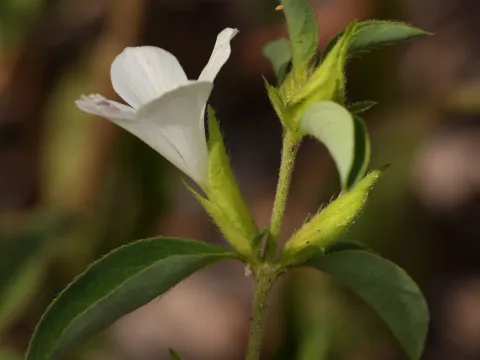
Barleria lugardii
Barleria lugardii
Barleria lugardii is a perennial shrub belonging to the Acanthaceae family. It is native to the arid and semi-arid regions of Southern and Eastern Africa, where it has evolved to thrive in challenging, water-limited environments.
What the section contains
Barleria lugardii
Botanically, this species is characterized by its xerophytic features, such as specialized foliage and stem structures designed to conserve water and withstand high temperatures and intense solar radiation.
The crop requires extremely well-drained soil, preferably of a sandy or rocky composition. Avoiding waterlogged conditions is critical, as the plant is highly susceptible to root rot if moisture levels remain too high for extended periods.
In terms of climate, Barleria lugardii prefers full sun exposure to maintain its compact growth habit and promote prolific flowering. It is well-adapted to warm temperatures and does not tolerate significant frost without protection.
In practice, the plant is valued for its resilience in landscaping and xeriscaping projects, providing reliable ornamental value in areas where traditional water-demanding crops would fail.
Excessive humidity and poor drainage are the primary threats to the survival of Barleria lugardii, often leading to rapid root decay and fungal infections of the plant crown.
Spider mites are common pests that may affect the plant when cultivated in indoor environments or dry conditions, necessitating careful monitoring of the underside of the leaves.
Mealybugs can occasionally target the stems and leaf axils, particularly during the active growing season, requiring prompt intervention with appropriate horticultural soaps or oils.
Powdery mildew is a potential risk if the foliage remains moist or if the planting site lacks proper air circulation, which can be mitigated through strategic thinning of the shrub.
Maintaining a balanced irrigation schedule and ensuring proper spacing between individuals are the most effective cultural practices to prevent the spread of diseases and pests.