
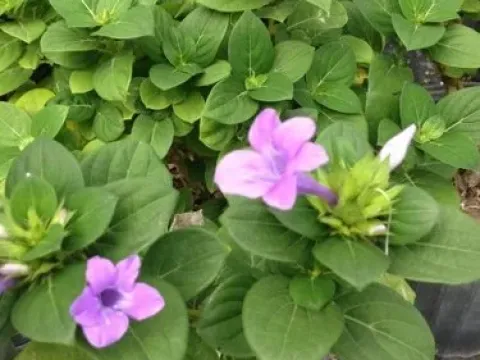
Barleria hybrids
Barleria hybrids
Propagation of Barleria hybrids is primarily conducted through stem cuttings. Because these plants are hybrids, growing them from seeds is unreliable as the offspring will not retain the specific characteristics of the parent plant.
What the section contains
Barleria hybrids
Cuttings should be taken during the active growth period, typically in spring. Select healthy, non-flowering shoots about 10 to 12 centimeters long, ensuring each cutting has at least two or three leaf nodes.
Use a well-draining rooting medium, such as a mix of peat moss and perlite. Insert the cuttings into the medium and keep them in a warm, humid environment with indirect light to encourage root development.
Rooting usually occurs within three to four weeks. Once a robust root system has established, the young plants should be potted into larger containers filled with high-quality, nutrient-rich potting soil.
It is important to maintain a consistent temperature between 22 and 25 degrees Celsius throughout the propagation phase to ensure high success rates and uniform growth among the new plants.
As a member of the Acanthaceae family, Barleria hybrids thrive in tropical and subtropical conditions. They require bright, indirect light to maintain their foliage color and produce abundant blooms throughout the growing season.
The soil should be fertile, loose, and slightly acidic to neutral in pH. Proper drainage is absolutely critical, as these plants are highly susceptible to root rot if the roots are left standing in water for extended periods.
Watering needs to be balanced; keep the soil consistently moist but never waterlogged. During hot summer months, increased humidity is beneficial, which can be achieved through regular misting or using a humidity tray.
Feeding is essential for optimal performance. Apply a balanced liquid fertilizer every two weeks during the growing season to provide the necessary macro- and micronutrients for healthy growth and flowering.
In winter, provide a cooling period by moving the plants to a space with temperatures around 16–18 degrees Celsius and reducing water intake. This rest period is vital for the plant to reset and prepare for the next flowering cycle.
Spider mites are the most common pest problem for Barleria, especially in environments with low humidity. They thrive on the underside of leaves, causing yellowing and webbing that can damage the plant's appearance.
Mealybugs are another potential threat, appearing as white, cottony masses on stems and leaf junctions. Regular inspection and the use of insecticidal soaps or horticultural oils can help manage and eliminate these infestations.
Fungal issues, such as root rot and leaf spot, typically stem from poor air circulation or overwatering. Ensuring that the soil dries out slightly between waterings and keeping the leaves dry helps prevent these issues.
To keep the plants healthy, remove any dead or yellowing leaves promptly to maintain proper air circulation around the base of the plant. This simple maintenance step significantly reduces the likelihood of fungal pathogen outbreaks.
Integrated pest management, including regular monitoring and maintaining optimal plant health through balanced nutrition and proper watering, is the best strategy for keeping Barleria hybrids disease-free.