
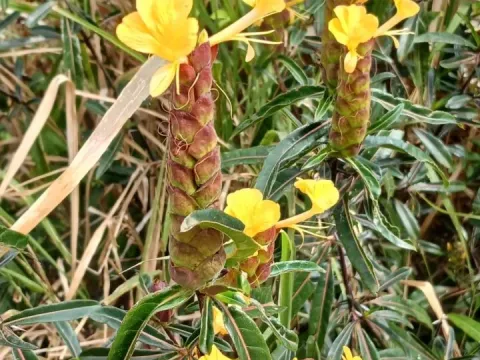
Barleria lupulina
Barleria lupulina
Barleria lupulina, commonly known as hophead barleria, is a perennial shrub belonging to the Acanthaceae family. Originally native to Mauritius, it has successfully naturalized across various tropical regions, particularly in Southeast Asia where it is cultivated for its medicinal properties.
What the section contains
Barleria lupulina
The plant thrives in warm, humid tropical climates. Temperature is a critical success factor; it requires a frost-free environment to survive. Optimal growth temperatures range from +22°C to +30°C, and exposure to temperatures near or below freezing will cause severe physiological damage to the crop.
For high-quality production, it requires well-drained, fertile soil, ideally sandy loam or loamy soils with a near-neutral pH. While it shows some tolerance to temporary moisture stress, consistent irrigation is essential for maintaining robust vegetative biomass production during the dry season.
Agricultural management requires bright, filtered light. Intense, direct solar radiation can scorch the leaves, while insufficient light leads to spindly, stunted development. Propagation is predominantly performed through stem cuttings, which ensures genetic uniformity and faster establishment compared to seed propagation.
The primary agricultural utility of Barleria lupulina lies in its phytochemical potential. It is highly valued in traditional medicine as an anti-inflammatory, analgesic, and antimicrobial agent. Its leaves are specifically used as a topical treatment for insect stings, bites, and various dermatological ailments.
In intensive cultivation systems, Barleria lupulina is susceptible to several sap-sucking pests. Spider mites and mealybugs are the most persistent threats, especially in greenhouse or nursery environments where air humidity is not properly managed.
Root rot pathogens, specifically from the Pythium and Phytophthora genera, represent a major risk if the soil becomes waterlogged or if drainage is inadequate. Managing water supply and ensuring excellent soil porosity are vital preventive measures for these diseases.
Fungal leaf spot diseases may occasionally occur, which significantly degrade the quality and market value of the harvested medicinal leaves. Proper spacing and airflow between plants are recommended to minimize the microclimate humidity that favors such infections.
Integrated pest management (IPM) strategies are highly recommended to control populations of harmful insects without compromising the plant's medicinal integrity. This includes the use of biological control agents and organic-based insecticidal soaps rather than synthetic chemicals.
Regular field sanitation, including the removal of dead or infected debris, is critical to maintain the overall health of the plantation. This practice minimizes the risk of secondary infections and ensures the longevity of the plant beds.