
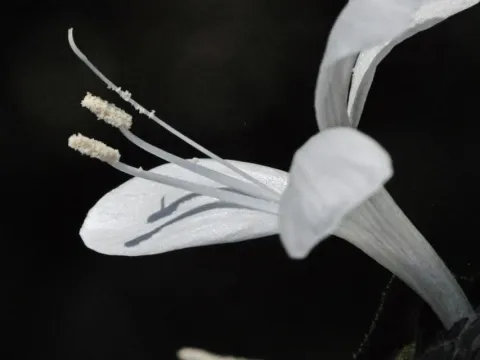
Barleria ramulosa
Barleria ramulosa
Barleria ramulosa is a perennial semi-shrub belonging to the Acanthaceae family. This species is native to the tropical regions of Africa, where it thrives in high temperatures and humid environmental conditions, showing consistent growth cycles.
What the section contains
Barleria ramulosa
For successful cultivation, the plant requires bright, indirect sunlight, as direct exposure can scorch its foliage. It is strictly a warm-climate species and cannot tolerate temperatures dropping below 15°C for extended periods, necessitating greenhouse or indoor protection in colder zones.
The soil requirements focus on fertility and drainage. A mixture containing organic matter and inorganic drainage materials like perlite is recommended. The substrate must remain moist but never waterlogged, as the roots are highly susceptible to oxygen deprivation and decay.
Management practices include moderate fertilization during the vegetative growth phase to ensure strong stems and vibrant floral development. Pruning is essential to maintain the architectural shape of the shrub and to encourage bushier growth habits.
The primary use of Barleria ramulosa is ornamental. It is widely prized by landscape designers and plant collectors for its unique botanical structure, making it an excellent candidate for decorative containers and tropical landscape feature plantings.
Spider mites are a significant threat in indoor environments with low humidity. They quickly colonize the underside of leaves, causing discoloration and eventual drop of the plant's foliage if not treated immediately with systemic acaricides.
Mealybugs can often be found in the axils of leaves or on young tender shoots. Their presence weakens the plant by extracting sap, which may also lead to secondary infections like sooty mold on the foliage.
Root rot is the most common physiological disorder caused by overwatering or poor drainage systems. It manifests as a sudden wilting of the plant despite soil moisture, indicating that the root system is no longer functioning.
Leaf spot diseases, often caused by fungi, can appear when airflow is stagnant and humidity is excessively high. Improving ventilation around the canopy is a critical prophylactic measure for healthy plants.
- Apply neem oil or insecticidal soap as a preventative treatment.
- Maintain proper drainage to prevent anaerobic soil conditions.