
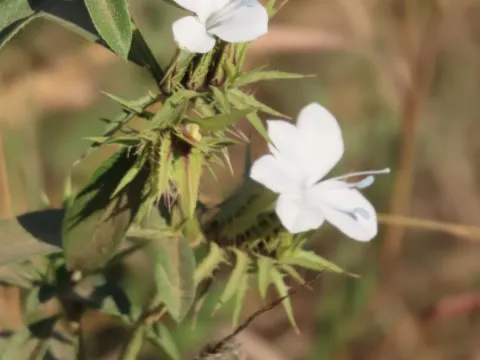
Barleria elegans
Barleria elegans
Barleria elegans is an evergreen subshrub belonging to the Acanthaceae family. Originally from East Africa, it is widely recognized for its high ornamental value, making it a desirable crop for horticultural production in controlled environments.
What the section contains
Barleria elegans
The plant thrives in warm, stable climates, requiring temperatures between 18°C and 25°C throughout the year. Cold sensitivity is a critical factor; frost or prolonged cool conditions can severely damage the plant's vascular system and foliage.
Soil requirements focus on high-quality drainage and moderate nutrient content. A porous, well-aerated potting mix containing peat moss, perlite, and bark is ideal for maintaining the health of the root system and preventing hypoxic conditions.
Lighting should be intense but filtered. In greenhouses, providing full sunlight without protection often leads to leaf scorching, so light management is essential to maintain the vibrant color and texture of the leaves and flowers.
Regular hydration is necessary for the plant's metabolic functions. Using a consistent irrigation schedule prevents drought stress, while maintaining a relative humidity of approximately 60-70% supports the plant's natural tropical habitat requirements.
Spider mites are a persistent threat, especially in low-humidity settings. These pests feed on sap, causing stippling and yellowing on the leaf surface, which can be mitigated with appropriate acaricides and environmental adjustments.
Root rot, driven by Pythium or Phytophthora species, occurs when soil moisture levels remain excessive. Implementing a strict irrigation protocol and ensuring proper drainage are the most effective preventive measures.
Whiteflies can colonize the underside of leaves, causing significant damage by excreting honeydew and attracting sooty mold. Integrated pest management, including yellow sticky traps and horticultural oils, is highly recommended.
Powdery mildew appears as white, dusty patches on foliage during periods of stagnant air. To prevent outbreaks, it is crucial to ensure good horizontal airflow within the production facility and avoid wetting the foliage during evening hours.
Aphid infestations are frequently observed on new growth. Biological control agents or targeted insecticides are effective solutions to prevent deformities in young leaves and maintain the overall vigor of the crop.