
Greenwayodendron
Greenwayodendron
Greenwayodendron is a genus of evergreen trees belonging to the Annonaceae family. Native to the tropical regions of Western and Central Africa, these plants are integral components of the rainforest understory and lower canopy.
What the section contains

Greenwayodendron
The trees thrive in environments characterized by high humidity, constant rainfall, and warm temperatures throughout the year. They are well-adapted to the competition for light that defines the dense structure of tropical ecosystems.
Optimal growth requires well-drained, nutrient-rich soils that retain sufficient organic matter. Greenwayodendron species generally do not tolerate prolonged waterlogging or excessive exposure to direct, intense sunlight during their establishment phase.
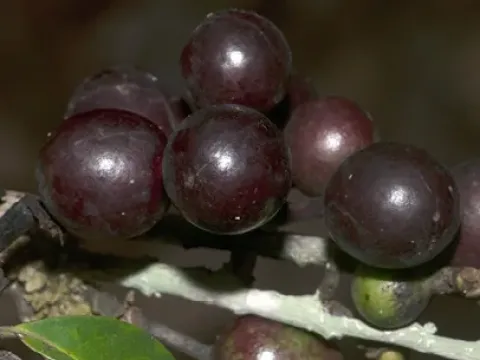
Botanically, the genus is recognized by its alternate, distichous leaves and characteristic flowers with fleshy petals. The fruits are typically aggregate berries, which serve as a critical food source for various forest-dwelling fauna, facilitating seed dispersal.
Economically, certain species are valued for their wood, which provides material for traditional construction and tool manufacturing. The genus is also the subject of ethnobotanical studies regarding the potential pharmacological applications of its extracts.
The primary threats to Greenwayodendron populations include deforestation and the conversion of tropical forest land for large-scale agriculture, which significantly reduces the native habitat.
Fungal pathogens represent a significant risk, particularly under conditions of high humidity, causing issues such as root rot and stem canker that can compromise tree health.
Insect pests, including various wood-boring beetles, pose a chronic threat to the structural integrity of these trees, especially in disturbed forest patches.
Leaf-spot diseases caused by various fungi can severely affect photosynthetic efficiency, particularly in young saplings growing in nursery or plantation environments.
Effective management requires sustainable harvesting techniques and the maintenance of forest biodiversity to prevent the rapid spread of pests and diseases across the plantations.