
Four-petal pawpaw
Asimina tetramera
Description
Growing requirements
The Four-petal pawpaw (Asimina tetramera) is a rare and endangered species within the Annonaceae family. It is endemic to the sandy scrub habitats of coastal southeastern Florida, where it persists in small, isolated populations.
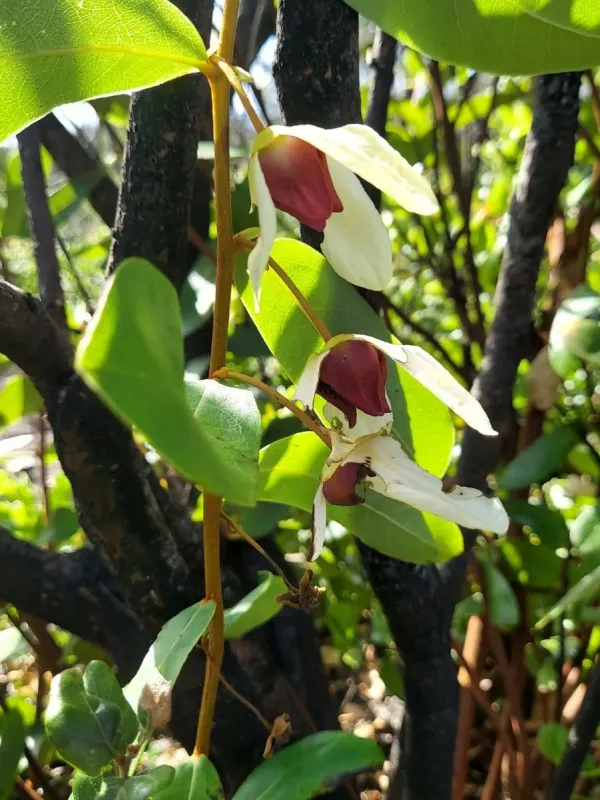
Botanically, this species is characterized by its distinct four-petaled flowers, which differentiate it from the more widespread Common Pawpaw (Asimina triloba). It grows as a small shrub or tree and is perfectly adapted to the well-drained, nutrient-poor soils of its native habitat.
Cultivation requirements are strict, as the plant demands a warm climate and cannot survive in frost-prone regions. In a garden setting, it requires sandy, acidic, well-drained soil and a significant amount of light to maintain its health and vigour.
The species relies on specific insect pollinators to reproduce. In many areas, the lack of sufficient pollinator activity, combined with habitat fragmentation, prevents the tree from producing fruit regularly, leading to its status as a federally endangered plant.
Commercial utilization of Asimina tetramera is non-existent. Because of its conservation status, the species is primarily studied in controlled environments to prevent its extinction rather than being harvested for agricultural production.
Main diseases and pests
The primary threat to the Four-petal pawpaw is habitat destruction. Urban development and land conversion in Florida have drastically reduced the available range for this plant, leaving only a few protected spots for its survival.
Like other species in the Annonaceae family, this plant is susceptible to fungal leaf spots when exposed to high humidity and poor airflow. Careful management of the environment, ensuring plenty of space around the plant, is essential for prevention.
Pests such as aphids and various leaf-eating beetles may occasionally target the foliage of younger trees. Integrated pest management strategies, emphasizing biological controls rather than broad-spectrum insecticides, are recommended to protect the local environment.
Root rot is a significant risk for this species if the soil is too dense or waterlogged. Proper site selection and soil preparation to ensure optimal drainage are the most effective ways to mitigate this risk in a managed collection.
As a highly sensitive and endangered species, the Four-petal pawpaw should not be subjected to harsh chemical treatments. Maintaining high sanitary standards and optimal growing conditions is the best way to keep the plant free from common ailments.