
Meiogyne cylindrocarpa
Meiogyne cylindrocarpa
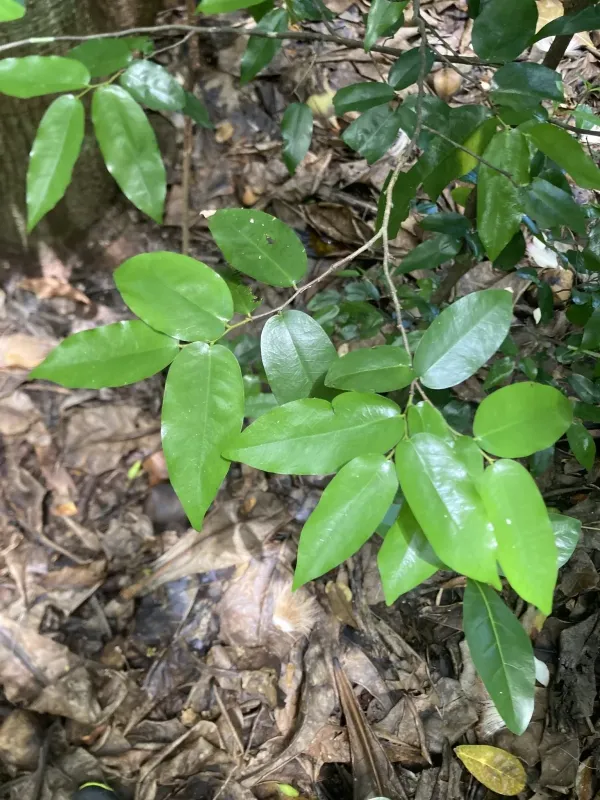
Description
Growing requirements
Meiogyne cylindrocarpa is a notable member of the Annonaceae family, native to the tropical rainforests of Australia and nearby islands. It typically grows as an understory tree or shrub, thriving in environments with high humidity and stable temperatures.
Regarding soil requirements, the plant prefers deep, well-draining, and nutrient-rich substrates. The soil should be kept consistently moist but never waterlogged, as the root system of this species is highly susceptible to fungal rot in poorly aerated soils.
The climate must be strictly tropical or sub-tropical. The plant cannot tolerate frost or temperatures below 15 degrees Celsius. In cultivation, protecting the plant from cold drafts and maintaining a high ambient humidity is crucial for successful development.
Light management is essential for Meiogyne cylindrocarpa. In its natural habitat, it survives in filtered light. Therefore, in an agricultural setting, provide partial shade to prevent leaf scorching and to mimic the natural environment of the rainforest floor.
Maintenance practices involve regular light fertilization during the growing season using organic-based fertilizers. Pruning is recommended only to remove dead wood or to maintain a manageable size, as the plant generally maintains an attractive natural form.
Harvesting
The fruit of Meiogyne cylindrocarpa is a cylindrical berry, which is the primary economic part of the plant. The harvest is strictly manual due to the delicate nature of the fruit and the irregular ripening schedule of the tree.
Maturity is indicated by the softness of the fruit and a subtle change in skin color. Since these fruits do not ripen simultaneously, multiple harvesting passes are required throughout the season to ensure quality yields.
Post-harvest handling is critical because the shelf life is limited. Immediate consumption or processing is recommended, although refrigerated storage can help maintain freshness for a very short duration.
The plant has limited commercial distribution and is mostly found in botanical gardens or niche tropical fruit collections. Its primary use remains as an ornamental tree in warm climates, with fruit used for local consumption.
Research into the domestication of Meiogyne cylindrocarpa is ongoing, focusing on selecting varieties with better flavor profiles and higher fruit sets to improve the overall agricultural viability of the species.