
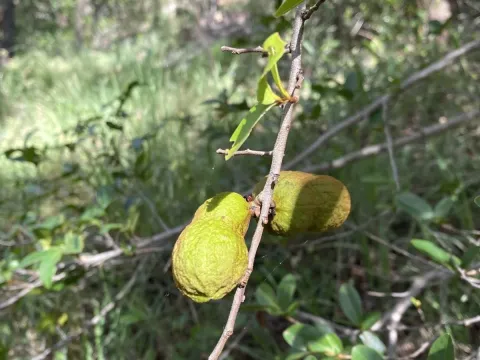
Hexalobus
Hexalobus
Propagation of Hexalobus is primarily achieved through seeds, which should be sown immediately after harvest to ensure maximum viability. The seeds are sensitive to desiccation and lose their germinative capacity if allowed to dry out significantly.
What the section contains


Hexalobus
For nursery cultivation, a well-draining, loose substrate is essential to prevent seed rot. Ideal germination conditions include temperatures ranging from 25 to 30 degrees Celsius and a consistently humid environment.
Seedlings require protection from direct, intense sunlight during their initial growth stages. Shaded nurseries provide the necessary environment for developing robust root systems before they are hardy enough for transplantation.
Transplanting saplings into their permanent location should be handled with care to minimize root disruption. Spacing should reflect the eventual mature size of the tree, allowing for proper airflow and development.
Early care involves frequent irrigation and organic mulching around the base. This practice helps maintain soil moisture levels and reduces the competition from opportunistic weeds that might inhibit growth.
Hexalobus is a genus within the Annonaceae family, comprising several species of trees and shrubs native to the tropical regions of Africa. These plants thrive in environments ranging from dense tropical forests to savannah edges.
The climate requirements include high temperatures throughout the year and significant rainfall. As a tropical genus, it lacks cold hardiness and is susceptible to damage even from minor frosts or extended cool spells.
Soils should ideally be deep, fertile, and maintain a slightly acidic to neutral pH. Proper drainage is critical, as stagnant water is detrimental to the tree's vascular health and encourages root diseases.
High relative humidity is highly beneficial for this crop, mirroring its native forest habitat. In drier regions, irrigation infrastructure and windbreaks are necessary to maintain a suitable microclimate.
While the tree can adapt to varying light conditions, full sun exposure is preferred for optimal fruit production. Nutrient management through compost or specialized fertilizers significantly enhances tree vigor and resilience.
The primary economic use of Hexalobus centers on its edible fruits. These fruits are valued for their sweet taste and unique aromatic profile, playing a role in local diets and nutrition within their native range.
Beyond direct consumption, the fruits are often used in preparing refreshing beverages or incorporated into traditional recipes. The biological properties of the fruit provide essential vitamins and minerals.
Yield capacity is influenced by tree age, variety, and the environmental management of the orchard. Mature trees can offer a sustained harvest over an extended period, which is advantageous for small-scale producers.
The timber of Hexalobus is also utilized for small-scale artisanal work. Its physical properties make it suitable for manufacturing handles, small tools, and other household implements common in rural regions.
Research into the phytochemical potential of the plant is ongoing, as some extracts from this genus demonstrate antimicrobial and antioxidant properties, suggesting future value in the pharmaceutical industry.
Fungal infections are the most common threat to Hexalobus, particularly when trees are planted in poorly ventilated or excessively humid areas. Leaf spots and fruit rot can diminish both plant health and yield quality.
Various insect pests, such as fruit flies and certain caterpillar species, can compromise the fruit harvest. Integrated pest management strategies, including biological control, are recommended to minimize chemical usage.
Sucking insects like aphids may infest young shoots, causing stunting and foliage deformation. Regular monitoring is essential to catch these infestations early before they require significant intervention.
Root-knot nematodes can be problematic in soils that have been repeatedly cropped without proper rest. Soil solarization or the use of healthy, disease-free nursery stock is vital to manage this underground threat.
General hygiene, such as removing fallen leaves and pruning dead wood, is the most effective preventive measure. By keeping the orchard environment clean, growers can significantly reduce the pressure of pests and diseases.
Harvesting Hexalobus fruits is a delicate, manual process, as the skin is easily bruised and susceptible to damage. Workers must carefully pick mature fruits at the correct stage of ripeness to ensure optimal flavor.
Once harvested, the fruits must be handled carefully and shipped in vented containers. They are highly perishable and should ideally reach the point of consumption or processing within a very short timeframe.
Cold storage is required if immediate consumption is not possible. Lowering the temperature helps slow down the metabolic rate of the fruit, thereby extending its shelf life during transit to the market.
Quality control during the harvest phase is essential, as even minor injuries to the skin can lead to rapid decay. Sorting fruits by size and ripeness helps in organizing efficient distribution.
The harvest season typically extends over several weeks, depending on the climatic conditions of the area. This staggered maturation allows for sustainable harvesting practices that do not overstrain the trees.