
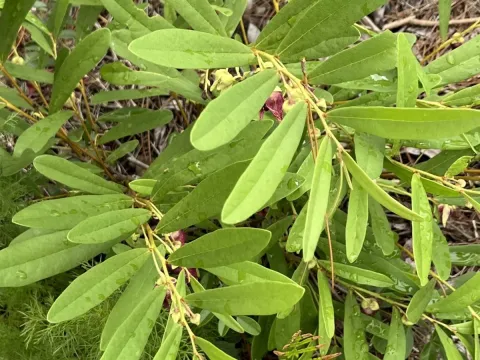
Dwarf pawpaw
Asimina pygmaea
Dwarf pawpaw (Asimina pygmaea) is a unique, low-growing shrub belonging to the Annonaceae family. Unlike its taller relatives, this species typically reaches a height of only 0.5 to 1 meter, maintaining a dense, bushy appearance.
What the section contains
Dwarf pawpaw
Native to the southeastern United States, particularly Florida and Georgia, this plant is well-adapted to xeric, sandy environments. It naturally thrives in pine flatwoods and scrub habitats where soil drainage is excellent.
For cultivation, it requires acidic, sandy soil with minimal organic matter. It is highly sensitive to waterlogged conditions, making well-draining sites essential for healthy development and longevity.
This species is highly photophilous and performs best in full sun. While it can tolerate partial shade, maximum sun exposure promotes vigorous growth and enhances the flowering period, which is visually distinct.
Basic maintenance includes light, consistent watering during the establishment phase. Once mature, the dwarf pawpaw is remarkably resilient to dry spells, making it an excellent candidate for low-maintenance exotic landscaping.
The culinary use of dwarf pawpaw is primarily for hobbyists and garden enthusiasts. While the fruit is smaller than that of the common pawpaw, it retains the characteristic sweet, custard-like flavor associated with the genus.
Production varies based on the environment and the effectiveness of local insect pollinators. In a garden setting, plants start fruiting within a few years of reaching maturity, provided they have access to adequate light and proper soil acidity.
Harvesting is relatively straightforward due to the plant's low stature, which eliminates the need for ladders or specialized equipment. The fruits typically ripen in mid-to-late summer.
Potential for agricultural advancement lies in its genetic traits. Breeding programs can explore its tolerance to nutrient-poor soils to improve the resilience of other commercial Annonaceae species.
Beyond food production, the plant serves as a vital component for pollinator-friendly gardens. Its flowers offer a nectar source for native beetles and flies, supporting local insect populations.
Fungal pathogens represent the primary threat to dwarf pawpaw, particularly if the plant is grown in soil with poor drainage. Maintaining a dry root zone is the most effective preventative strategy.
Insect pests such as leaf-eating beetles can occasionally affect the foliage. Routine visual inspections during the growing season help manage these populations without the need for intensive chemical interventions.
Root rot is the most common cause of failure in cultivation. It is crucial to ensure that the site does not retain water, especially during seasonal heavy rains in warmer regions.
Weed competition should be minimized around the root zone, as native shrubs are often sensitive to the presence of aggressive invaders that consume soil nutrients and hold moisture.
In cases of nutrient deficiency, plants may display signs of chlorosis. Maintaining the appropriate soil pH levels is essential for ensuring that micronutrients remain bioavailable to the shrub.