
Isolona
Isolona
Isolona is a genus of tropical trees and shrubs belonging to the Annonaceae family. These plants are primarily native to the humid tropical forests of Africa and Madagascar, where they thrive in the dense understory layer.
What the section contains
Isolona
The cultivation of Isolona requires specific environmental parameters, including high atmospheric humidity and consistently warm temperatures. They perform best in well-draining, nutrient-rich soils that mimic the organic-rich substrates of their native forest floors.
Being adapted to shaded environments, these plants have low tolerance for direct intense sunlight, which can scorch their foliage. Providing filtered or diffused light is essential to maintain the health and vigor of the plants in a controlled environment.
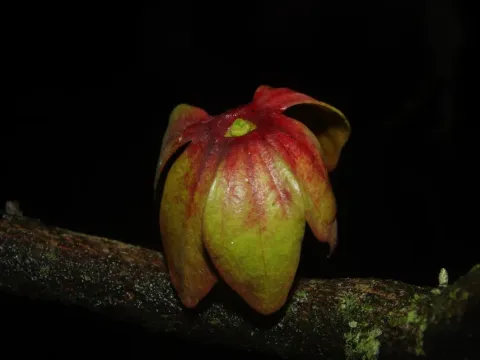
Botanically, the genus is recognized by its distinct floral morphology, often featuring fleshy, spirally twisted petals. These unique flowers are typically cauliflorous, meaning they emerge directly from the main trunk or older branches of the plant.
The economic and agricultural utility of Isolona remains largely confined to traditional local knowledge and specialized horticultural collections. While not a commercial field crop, its botanical significance in the Annonaceae family makes it a subject of interest for conservation and research.
In managed conditions, the most significant threat to Isolona is root rot caused by poor soil drainage and waterlogging. Maintaining a balance between soil moisture and aeration is critical to preventing systemic fungal infections.
Common pests such as spider mites and scale insects can impact the health of the plants, particularly when ambient humidity is insufficient. Implementing integrated pest management, including regular foliage inspection and climate control, is recommended for healthy growth.