
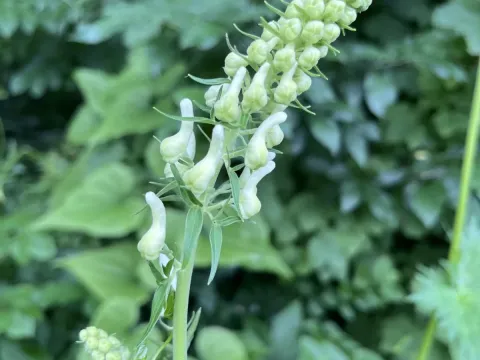
Eastern aconite
Aconitum orientale
The cultivation of Aconitum orientale typically begins with sowing seeds in late autumn, as the seeds require a period of cold stratification to break dormancy. If sown in the spring, the germination rate remains significantly low without artificial chilling.
What the section contains
Eastern aconite
Choose a location with well-draining, nutrient-rich soil for direct seeding. Seeds should be sown at a depth of approximately 1 to 2 centimeters to ensure protection while allowing for proper sprouting.
When starting indoors, seeds should be sown in trays during February. Maintain consistent moisture levels and provide enough indirect light once the seedlings emerge to ensure steady development.
Transplanting into the permanent garden site should take place after the final frost risk has passed. Space the plants adequately, ideally 40 to 50 centimeters apart, to encourage good air circulation and prevent fungal growth.
Initial growth is slow during the first season. Therefore, maintaining a weed-free environment is critical to ensure the young plants are not outcompeted for water and soil nutrients.
Eastern aconite is a perennial herbaceous plant belonging to the Ranunculaceae family. Native to the Caucasus and Asia Minor, it is well-adapted to mountain environments and moderate climates.
The plant thrives in fertile, moisture-retentive, and loamy soils. Drainage is essential, as the roots are prone to rotting if left in stagnant water for extended periods, especially during dormant phases.
Regarding light, this species performs best in partial shade or areas with filtered sunlight. Direct exposure to intense afternoon heat can scorch the foliage and reduce the overall vigor of the plant.
It is remarkably winter-hardy and can withstand freezing temperatures without needing extensive winter protection. However, a layer of mulch may be beneficial to stabilize soil temperature in regions with variable winters.
Nutrient management involves applying balanced fertilizers during the growing season. A light application of compost in early spring followed by a balanced mineral feed before flowering supports sustained health.
Powdery mildew is the most common fungal issue for Aconitum orientale, especially in conditions of high humidity or poor airflow between plants. Regular inspection and the use of fungicides can mitigate the spread.
Root rot, often caused by waterlogging or poor soil structure, can severely damage the plant's system. Ensuring correct soil preparation and drainage is the primary defense against such issues.
Pests like aphids and spider mites can infest the foliage, particularly during dry spells. These should be treated with appropriate insecticidal sprays or natural predators to keep populations under control.
Leaf nematodes may also affect the plant, causing yellowing and tissue deformation. Affected parts should be removed and destroyed immediately to prevent the contamination of the surrounding soil.
All parts of the plant are poisonous due to the presence of alkaloids. Always wear protective gloves when handling the plants to avoid skin absorption of toxins during pruning or maintenance tasks.