
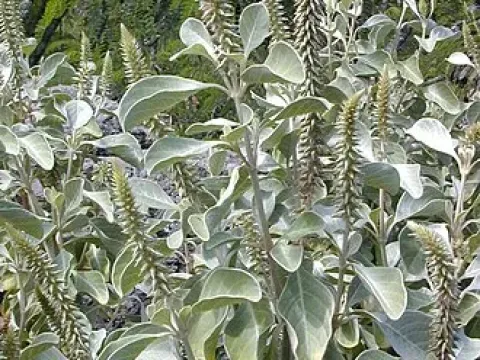
Achyranthes argentea
Achyranthes argentea
Sowing Achyranthes argentea requires thorough soil preparation, as the seeds are sensitive to planting depth. The optimal time for sowing is during the spring, once the soil has warmed up to 15–18 degrees Celsius.
What the section contains
Achyranthes argentea
Under greenhouse conditions or when using the seedling method, seeds are planted in trays in late March to ensure a stable thermal regime. This produces strong, healthy seedlings ready for transplanting into open ground once the danger of frost has passed.
When sowing directly into the soil, it is important to consider planting density to allow each plant sufficient space for root system development. A spacing of 30 by 40 centimeters is recommended to ensure adequate airflow between plants.
Moisture control is critical during the germination stage, so fields should be mulched or covered with agricultural fabric to retain hydration. This creates a favorable microclimate that promotes uniform emergence within the first two weeks.
Crop rotation is essential for this species, so it is advised not to plant Achyranthes on plots where other members of the Amaranthaceae family were previously grown to avoid the accumulation of specific soil-borne pathogens.
Achyranthes argentea belongs to the Amaranthaceae family and is a sun-loving plant that requires open, well-lit areas to thrive. A lack of sunlight often leads to stem elongation and a significant loss in the plant's medicinal or decorative properties.
The crop prefers light, well-drained sandy loam or loamy soils with a neutral to slightly alkaline pH. Excessive moisture and stagnant water can be fatal to the root system, making proper site drainage a primary prerequisite for cultivation.
The plant is demanding regarding climate: it performs best in regions with moderately warm summers and stable temperatures. Once established, adult specimens show moderate resistance to temporary dry spells.
Applying mineral fertilizers during the early stages of vegetation encourages vigorous foliage development. A balanced supply of nitrogen and potassium is particularly crucial during the active shoot growth phase.
To maintain plant health, regular weeding and soil loosening between rows are necessary to improve aeration and moisture absorption. Removing weeds promptly prevents competition for essential soil nutrients and water.
The productivity of Achyranthes argentea is measured by the total biomass harvested for pharmaceutical or industrial use. Yield is heavily dependent on the level of agricultural technology employed, irrigation quality, and soil fertility.
Under optimal conditions, the plant produces a substantial amount of green mass, which should be harvested when the concentration of active chemical compounds in the leaves and stems is at its peak.
To maximize yields, it is recommended to apply complex fertilizers in mid-summer. This helps the plant recover from the flowering phase and continue accumulating useful bio-active compounds in its tissues.
Harvesting must be carefully timed to match the plant's biological life cycle to ensure the highest raw material quality. Adhering to these agronomic requirements can ensure stable profitability even on smaller production plots.
It is important to note that without regular organic matter replenishment, soil depletion can lead to decreasing yields over subsequent seasons, necessitating a proactive fertilization strategy.
Achyranthes argentea can be affected by various fungal diseases, with root rot being the most dangerous if irrigation management is poor. Prevention involves maintaining optimal soil moisture and disinfecting the site prior to planting.
Among pests, aphids and spider mites cause the most damage by feeding on young leaves and shoots. In cases of severe infestation, systemic insecticides may be applied, ensuring strict compliance with pre-harvest waiting periods.
The plant is also susceptible to viral infections transmitted by insects; therefore, controlling insect vectors is a vital part of crop protection. Regular monitoring allows for the early detection and isolation of infected specimens.
Powdery mildew can emerge during periods of high humidity. Protection involves using copper or sulfur-based fungicides and ensuring good ventilation within the field to discourage fungal spread.
A comprehensive approach to crop protection, combining both chemical treatments and cultural sanitation, minimizes the risk of harvest loss and preserves product quality until the end of the season.
The harvest of Achyranthes argentea begins during the mass flowering phase, as this is when the concentration of active substances is at its highest. The process is typically performed manually or with specialized small-scale machinery.
Following harvest, the raw material must undergo initial processing, including sorting and the removal of damaged parts. This is essential to prevent degradation of the entire batch during transport and storage.
Drying should take place in well-ventilated areas away from direct sunlight. It is recommended to hang the plants or spread them in thin layers on racks to ensure efficient and uniform moisture removal.
Properly dried material should maintain its integrity and color, which are key indicators of commercial quality. Drying temperatures should not exceed 40–45 degrees Celsius to prevent the thermal destruction of the plant's active components.
Finished products should be stored in paper bags or wooden containers in cool, dark, and dry conditions. This ensures that the plant's beneficial properties are preserved for long-term supply and market availability.