
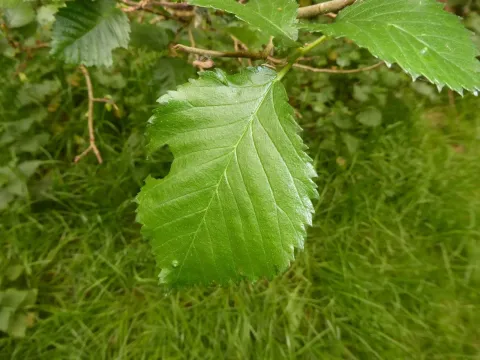
English Elm
Ulmus procera
The English Elm (Ulmus procera) is a prominent member of the Ulmaceae family. It is a large deciduous tree characterized by its towering stature and dense, spreading canopy, historically significant in the landscapes of Southern England.
What the section contains
English Elm
The tree thrives in deep, fertile soils that provide consistent moisture without waterlogging. It is highly adaptable to a wide range of pH levels but prefers neutral or slightly alkaline conditions to optimize nutrient uptake.
Regarding climatic needs, Ulmus procera is quite hardy, showing excellent tolerance to moderate frost. However, it requires a significant amount of direct sunlight to maintain its structural integrity and leaf density throughout the growing season.
Agricultural practices for this species include mulching around the root zone to conserve moisture and providing supplemental watering during extended dry spells to prevent premature leaf drop.
Beyond its aesthetic value, the English Elm is cultivated for its high-quality timber. The wood is renowned for its durability under water and its interlocked grain, making it historically preferred for building heavy-duty furniture and cartwheels.
The most critical challenge in cultivating the English Elm is Dutch Elm Disease, a devastating fungal infection caused by Ophiostoma novo-ulmi that has caused massive population losses across Europe.
The fungus is primarily transmitted by elm bark beetles, which introduce spores into the tree's vascular system. This infection leads to the blockage of water transport, resulting in wilting and progressive dieback of branches.
In addition to fungal threats, the tree is susceptible to infestation by various lepidopteran larvae and aphids. These pests consume leaf tissue, significantly reducing the tree's photosynthetic capacity and overall vigor.
Integrated pest management is essential, involving the regular inspection of the crown and the removal of dead or dying wood to eliminate breeding grounds for the beetle vectors.
Current research efforts focus on identifying and propagating disease-resistant clones, which remains the most effective strategy for ensuring the continued presence of the species in modern landscapes.