
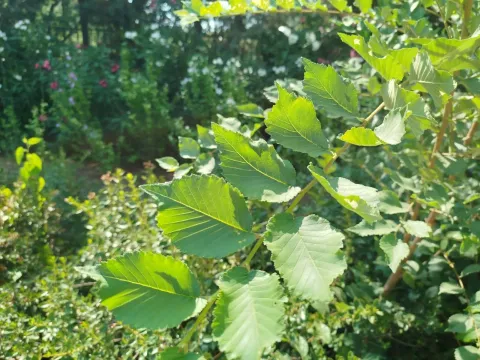
Huntingdon Elm
Ulmus vegeta
The Huntingdon Elm (Ulmus × vegeta) is a vigorous hybrid resulting from a cross between the Wych Elm (Ulmus glabra) and the Himalayan Elm (Ulmus wallichiana). It belongs to the Ulmaceae family and is celebrated for its rapid growth rate and symmetrical, wide-spreading crown.
What the section contains
Huntingdon Elm
This species thrives in deep, fertile, and well-drained soils. It performs best in loam or sandy-loam environments that offer consistent moisture without waterlogging. While it tolerates various soil pH levels, it favors neutral to slightly alkaline conditions.
Climatically, it is known for its hardiness and ability to adapt to temperate regions. It is highly valued in both urban and rural landscaping for its tolerance to wind and its ability to provide significant aesthetic value to parks and avenues.
The plant requires plenty of sunlight to achieve its full potential. While it can tolerate partial shade in its juvenile stages, it eventually requires full sun to maintain the density of its foliage and the structural integrity of its canopy.
Regular maintenance involves checking for deadwood and performing structural pruning to ensure the tree maintains a balanced shape. Adequate irrigation during the establishment phase is essential for long-term health and vitality of the tree.
The most significant threat to the Huntingdon Elm is Dutch Elm Disease (DED), caused by the fungus Ophiostoma novo-ulmi. This disease is transmitted by bark beetles and can be fatal to mature trees if not caught in its early stages of progression.
Effective management includes strict sanitation practices, such as the immediate removal and proper disposal of any infected wood to prevent the spread of the pathogen to neighboring healthy trees or new sites.
Insect pests, including elm leaf beetles and various species of caterpillars, can cause significant defoliation. Integrated pest management strategies should be employed, utilizing targeted spraying when pest populations reach an economic threshold.
Fungal leaf spots and powdery mildew can occasionally affect the foliage, especially in humid and shaded areas with poor air circulation. Improving airflow and using appropriate fungicides can help mitigate these issues during the growing season.
Maintaining the tree's vigor through proper fertilization and soil care is the best defense against various stressors. A well-nourished tree is better equipped to compartmentalize wounds and resist the secondary infections that often follow insect attacks.