
Bergmann elm
Ulmus bergmanniana
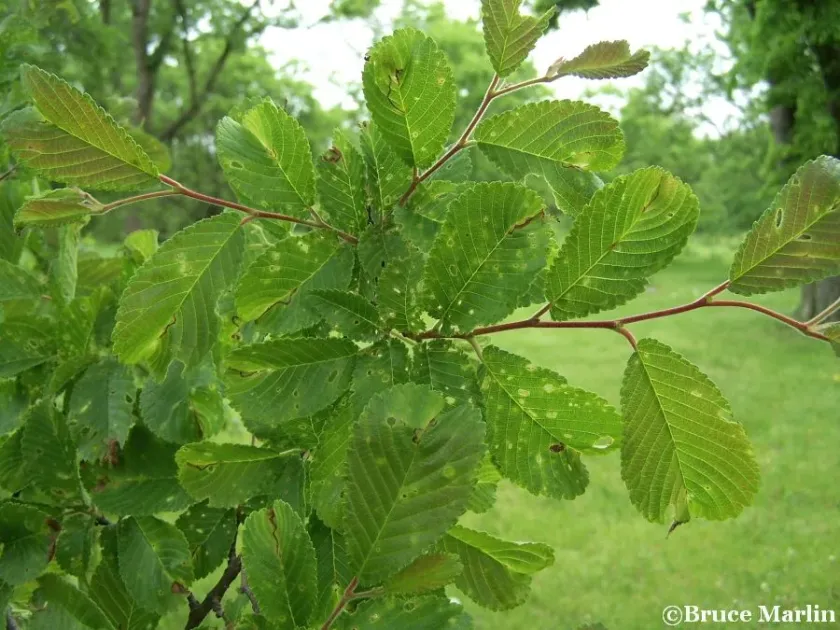
Description
Growing requirements
The Bergmann elm (Ulmus bergmanniana) is a deciduous tree belonging to the Ulmaceae family. Native to the mountainous regions of China, this species thrives in forest environments where moisture and soil quality are well-balanced.
The tree requires fertile, deep, and well-drained loamy soils to reach its full potential. It is sensitive to waterlogged conditions, making proper site selection and drainage preparation essential for long-term survival in garden or landscape settings.
Climatically, the Bergmann elm is relatively hardy, adapted to the temperate conditions characteristic of its high-altitude native range. It performs best in locations that provide plenty of sunlight while offering some protection from harsh, drying winds.
Agronomic maintenance focuses on initial irrigation and soil nourishment. During the establishment phase, supplemental watering is necessary during drought periods, while moderate organic mulching helps preserve soil moisture and regulate temperature around the roots.
In landscaping, this tree is highly valued for its elegant canopy structure. It serves as an excellent candidate for large estate gardens, public parks, and urban greening projects where a sturdy, shade-providing deciduous tree is required.
Main diseases and pests
The primary threat to the Bergmann elm, like many other elm species, is Dutch elm disease (DED), caused by Ophiostoma fungi. This disease restricts water movement within the vascular system, often leading to rapid decline and mortality.
Beetles, such as the elm bark beetle, act as vectors for fungal pathogens. Consequently, controlling beetle populations through pheromone traps or systemic treatments is a critical component of professional tree care strategies.
Leaf-eating insects can cause aesthetic damage and physiological stress. Monitoring for defoliation in late spring and summer is recommended to apply targeted treatments before major outbreaks occur on the canopy.
Canopy thinning and sanitary pruning are essential practices to reduce the spread of fungal spores and remove potentially infected wood, which serves as a breeding ground for pests.
Maintaining high plant vigor through balanced fertilization and stress reduction is the best natural defense against opportunistic diseases, ensuring the tree remains robust against environmental challenges.