
Elegant elm
Ulmus elegantissima
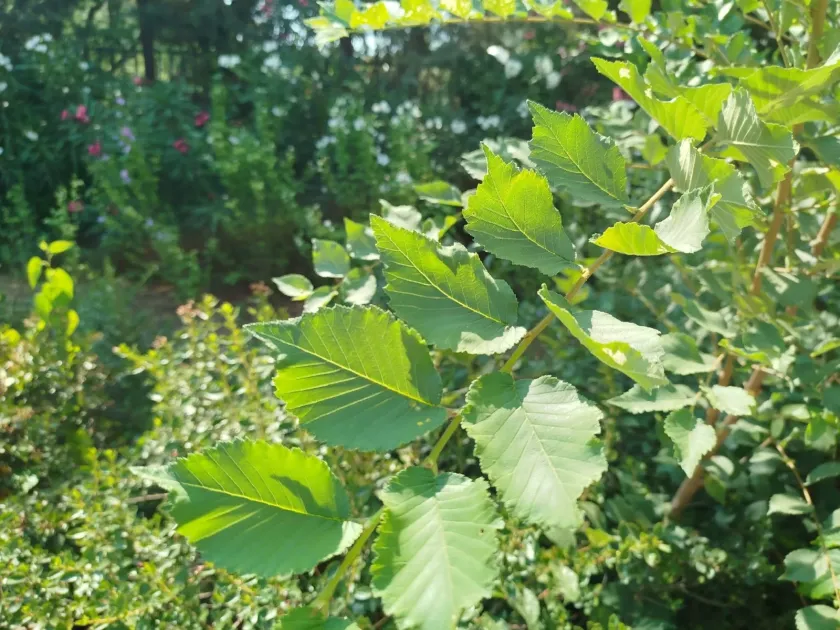
Description
Growing requirements
The elegant elm (Ulmus elegantissima) is an ornamental tree species belonging to the Ulmaceae family. It is highly regarded in horticulture for its sophisticated habit and graceful appearance, making it a desirable specimen for formal garden designs and park landscaping.
Originating from temperate regions, this tree is well-adapted to varied climatic conditions found in the Northern Hemisphere. It thrives in temperate climates that offer a balance of adequate rainfall and clear seasonal transitions, which support its characteristic growth rhythm.
Regarding soil requirements, the species performs best in deep, fertile, and well-drained soils. While it exhibits some tolerance to different pH levels, it prefers substrates that are rich in organic matter and capable of maintaining consistent soil moisture levels throughout the growing season.
The cultivation of Ulmus elegantissima requires a site with good air circulation and sufficient sunlight. While the tree can tolerate partial shade, full sun exposure is ideal for maintaining the density and aesthetic appeal of the foliage during the summer months.
Agricultural management involves regular pruning during the dormant season to manage its shape and size. Fertilization programs should focus on providing essential macro-nutrients to promote healthy vegetative growth and increase the tree's resilience to environmental stressors.
Main diseases and pests
The primary biotic threat to the elegant elm is Dutch Elm Disease (DED), caused by the fungus Ophiostoma ulmi. This systemic infection severely impacts the plant's vascular system, leading to wilting and often the death of the tree if not addressed early.
Elm bark beetles (Scolytus species) are major pests that pose a dual threat to the tree. Not only do they cause physical damage to the trunk and branches, but they also serve as primary vectors for the spread of fungal spores between infected and healthy trees.
Effective management includes maintaining tree vigor through proper irrigation and soil care, which helps in preventing pest colonization. Additionally, sanitizing tools between prunings is crucial to prevent mechanical transmission of pathogens throughout the nursery or garden.
Integrated Pest Management (IPM) strategies are recommended to keep the population of elm-specific insects under control. This may include the use of pheromone traps and systemic insecticide applications in areas with high infection pressure from Dutch Elm Disease.
Early detection of crown dieback is essential for salvaging affected trees. If an infection is identified, immediate removal and destruction of the infected wood are standard protocols to minimize the spread of the disease within the local area.