
Chenmou elm
Ulmus chenmoui
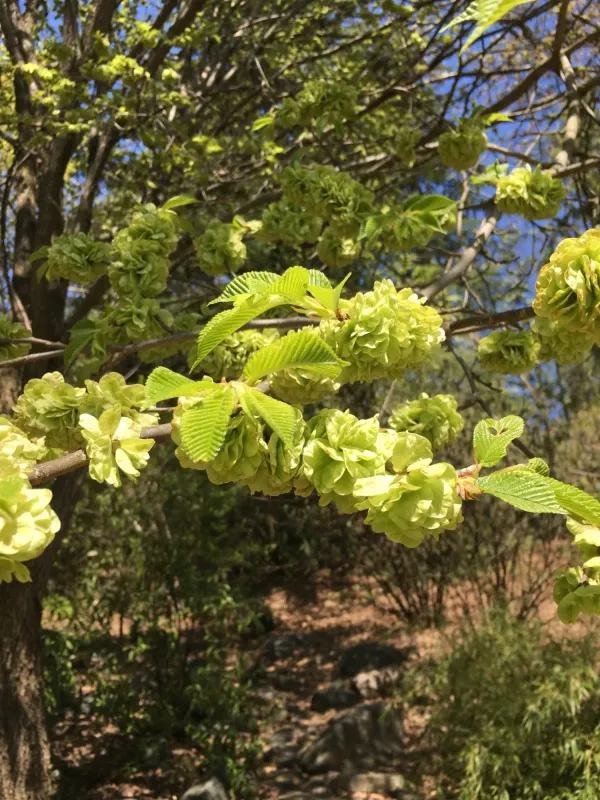
Description
Growing requirements
The Chenmou elm (Ulmus chenmoui) is a unique deciduous species belonging to the Ulmaceae family. Native to the mountainous regions of Anhui, China, it is highly valued for its elegant leaf shape and distinctive bark texture.
Regarding climate, this species thrives in temperate zones with moderate rainfall. It is relatively hardy but benefits from protection against harsh, desiccating winter winds which can damage young shoots and developing buds.
For optimal growth, the species requires fertile, well-drained loamy soils. It displays a preference for neutral to slightly acidic pH levels, which support efficient nutrient uptake and robust root system architecture.
Planting locations should ideally offer full sun exposure to encourage dense foliage development. While the tree can tolerate partial shade, maximum growth rate and health are observed in sunny, open spaces with adequate air circulation.
Maintenance involves routine watering during the establishment phase and applying organic mulch. This practice effectively retains soil moisture, suppresses weed growth, and maintains a stable soil temperature throughout the seasons.
Main diseases and pests
The primary concern for Ulmus chenmoui is Dutch elm disease (DED), caused by Ophiostoma fungi. Monitoring for wilting foliage and bark discoloration is essential for early detection and intervention.
Elm leaf beetles and bark borers are significant pests that can severely weaken the tree's vascular structure. Management strategies include the use of targeted systemic insecticides during the peak insect breeding cycles.
Fungal leaf spot diseases may appear during periods of high humidity and poor ventilation. Proper pruning to open up the canopy structure is a crucial cultural practice to prevent such outbreaks and improve tree health.
Integrated Pest Management (IPM) is strongly recommended to maintain the tree's long-term vitality. This involves balancing mechanical methods, such as pruning, with the minimal use of chemical control agents.
Proactive care involves monitoring for early signs of environmental stress, which often makes the tree more susceptible to secondary infestations of insects and pathogens.