
Elliptic elm
Ulmus elliptica
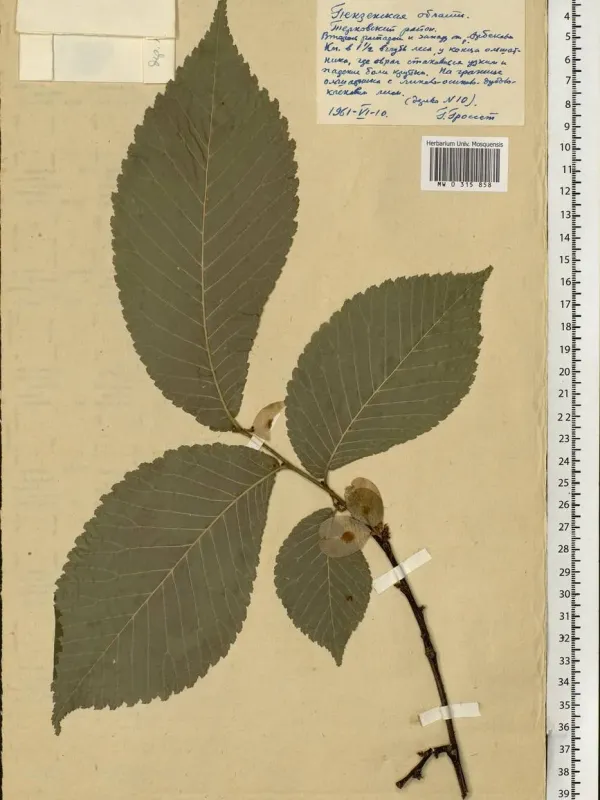
Description
Growing requirements
The elliptic elm (Ulmus elliptica) belongs to the Ulmaceae family and is recognized for its unique leaf morphology, which features distinct elliptical shapes. This deciduous tree is native to temperate Eurasia, where it thrives in fertile, well-draining soils.
The species has moderate climatic requirements and is known for its cold hardiness. It prefers sun-exposed locations to maximize growth, though it can withstand partial shading when grown in mixed forest stands. It is highly valued for its ability to adapt to various soil types.
Water requirements for this culture are standard for the genus, requiring consistent moisture during the early establishment phase. Once the deep root system is fully developed, the tree becomes significantly more resistant to drought conditions.
In agricultural settings, the elliptic elm is primarily used for windbreaks and shelterbelts. Its dense foliage acts as an effective barrier against high winds, protecting crops from mechanical damage and reducing soil erosion in open fields.
Maintenance involves routine structural pruning during the dormant season to encourage a healthy canopy. Proper site selection and initial irrigation are the most critical factors for ensuring long-term success and growth vigor in these trees.
Main diseases and pests
Dutch elm disease, caused by Ophiostoma fungi, is the most severe threat to this species. It is typically spread by bark beetles, necessitating rigorous monitoring and the prompt removal of infected wood to prevent wider outbreaks.
Elm leaf beetles and aphids are among the common pests that affect the foliage. If infestations are left unchecked, they can lead to significant defoliation, which stresses the tree and diminishes its aesthetic and agricultural value.
Powdery mildew and various leaf spot diseases can occur, particularly in years with high humidity or poor airflow within the crown. Thinning the canopy helps improve air circulation, thereby reducing the prevalence of fungal pathogens.
Bark damage caused by rodents or mechanical impact can act as an entry point for secondary infections. Applying protective wraps or tree guards is a recommended practice during the first few years of tree development.
Maintaining high soil fertility and optimal drainage conditions is essential for the tree's natural defense systems. Integrated pest management strategies should be applied to keep the populations of harmful insects under control.