
Cutleaf elm
Ulmus laciniata
Description
Growing requirements
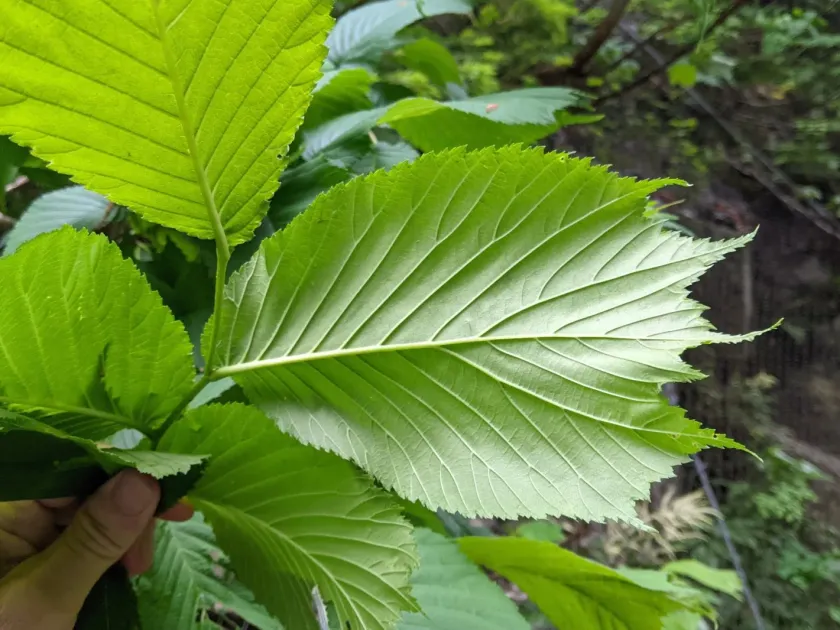
The Cutleaf elm, belonging to the Ulmaceae family, is a deciduous tree known for its distinctively lobed leaves. Unlike standard elm species, its foliage is deeply incised, giving the tree a unique, structural appearance that is highly valued in ornamental arboriculture and forestry.
Native to East Asia, including regions in Russia, China, Japan, and Korea, this species naturally thrives in temperate forests. It is typically found in deep, fertile valleys and along mountain slopes, where it benefits from high soil moisture and rich organic content provided by fallen leaf litter.
The tree is exceptionally hardy, capable of enduring severe winters, which makes it a preferred choice for northern climates. To grow successfully, it requires deep, well-drained, and nutrient-rich soils. While it can adapt to various conditions, it performs best when sheltered from extreme heat and drought.
Agrotechnical management involves ensuring adequate hydration, especially in young saplings, and periodic soil enrichment with organic matter. Proper spacing during plantation is essential, as the species requires sufficient sunlight and air circulation to prevent the development of various fungal issues.
In terms of usage, the Cutleaf elm is highly regarded for its timber, which is robust and aesthetically pleasing for cabinetry. Beyond commercial forestry, it serves as a stunning specimen tree for large gardens and public parks, where its unique leaf morphology serves as a year-round point of interest.
Main diseases and pests
The most significant threat to Ulmus laciniata is Dutch Elm Disease, a devastating fungal infection that disrupts the tree's vascular system. Management focuses on preventing the spread of fungal spores and controlling beetle populations that act as vectors for the pathogen.
Additional threats include various leaf-eating beetles and wood-boring insects, which can stress the tree and leave it susceptible to secondary infections. Regular monitoring, proper sanitary pruning, and maintaining vigorous growth are the primary strategies to mitigate these risks in urban and woodland environments.