
Elm villosa
Ulmus villosa
Description
Growing requirements
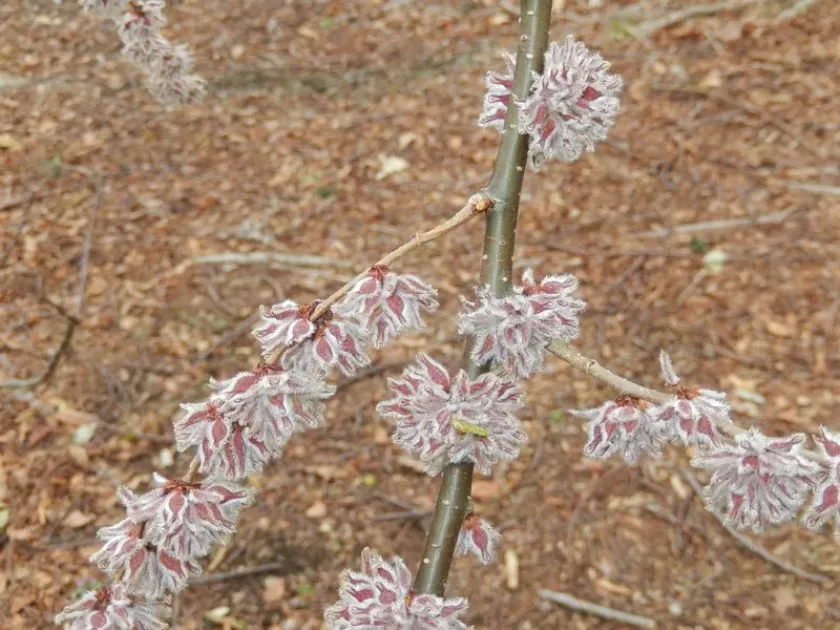
Ulmus villosa, known as the shaggy elm, belongs to the Ulmaceae family. This tree species is recognized for its robustness and unique botanical features, particularly the dense pubescence covering its young shoots and foliage.
Originating from parts of Asia, this species has adapted to a variety of climates, demonstrating excellent resilience against environmental stress. It is a vital component for reforestation efforts and windbreak plantations in agricultural regions.
The tree thrives in fertile, well-drained loamy soils. It displays remarkable tolerance to various soil compositions, allowing it to succeed in areas where other hardwood species might struggle with drainage or minor nutrient deficiencies.
Effective cultivation requires proper space management to ensure adequate air circulation. Regular pruning during the formative years helps in establishing a strong, straight trunk and a balanced crown structure suitable for long-term growth.
In terms of agricultural and landscape usage, Ulmus villosa is highly valued for soil stabilization and environmental protection. Its deep root system prevents erosion, while its dense canopy provides essential shade in agroforestry systems.
Main diseases and pests
The most significant threat to Ulmus villosa is the Dutch Elm Disease (DED), caused by the fungus Ophiostoma. This disease is typically vectored by elm bark beetles, which infiltrate the tree's vascular system and lead to rapid decline.
Leaf-feeding insects, specifically the elm leaf beetle, pose a constant threat by defoliating the tree. This significantly impairs the tree's ability to produce energy, especially during high-growth periods in late spring.
Wood-boring insects, including various bark beetle species, create galleries under the bark that disrupt nutrient flow. Monitoring for entry holes and exit signs is critical for early detection of these damaging pests.
Fungal infections such as powdery mildew can affect the foliage in humid conditions. Keeping the base of the tree clear of debris and ensuring the canopy remains open helps mitigate these moisture-related issues.
Preventative management, including the removal of deadwood and the use of targeted systemic treatments where applicable, is essential. Maintaining the overall health and vigor of the tree remains the most effective strategy against all major threats.