
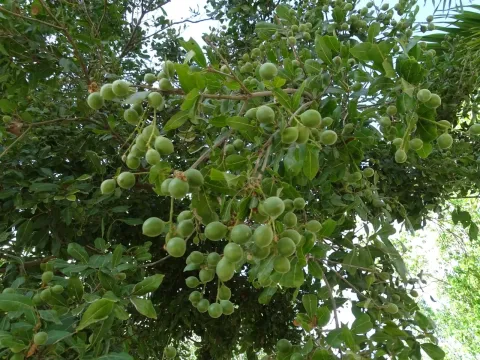
Melicoccus oliviformis
Melicoccus oliviformis
Melicoccus oliviformis is an evergreen fruit tree within the Sapindaceae family, closely related to the well-known genip. It is recognized for its distinct, olive-shaped fruits that serve as a source of local food in its native regions.
What the section contains
Melicoccus oliviformis
The plant originates from the tropical zones of Mexico and Central America. It thrives in regions with warm climates and requires soils with excellent drainage to prevent root rot during the rainy seasons.
Cultivation practices emphasize the importance of consistent sunlight exposure. While the tree shows moderate drought tolerance once established, supplemental irrigation during the flowering phase is beneficial for yield stability.
Regular pruning is recommended to maintain the tree structure and to facilitate easier harvesting. It is a slow-growing species, which makes it ideal for small-scale tropical fruit orchards.
Beyond its culinary value, the tree provides ecological benefits by offering shade and acting as a habitat for local pollinators, which is crucial for the biodiversity of the ecosystem.
The primary threats to Melicoccus oliviformis involve fungal infections, specifically those affecting the foliage during periods of high humidity and stagnant air.
Insect pests, including scale insects and mites, frequently target the leaves and stems, necessitating integrated pest management strategies to protect the tree's vigor.
Invasive weeds competing for nutrients can stunt the growth of young trees, requiring diligent weed control within the root zone area.
Standard preventive measures include avoiding overhead irrigation to keep foliage dry and using organic fertilizers to promote a robust plant immune system.
Regular monitoring of the canopy is essential for early detection of pest colonies, allowing for localized treatments rather than widespread chemical application.