
Miyabe maple
Acer miyabei
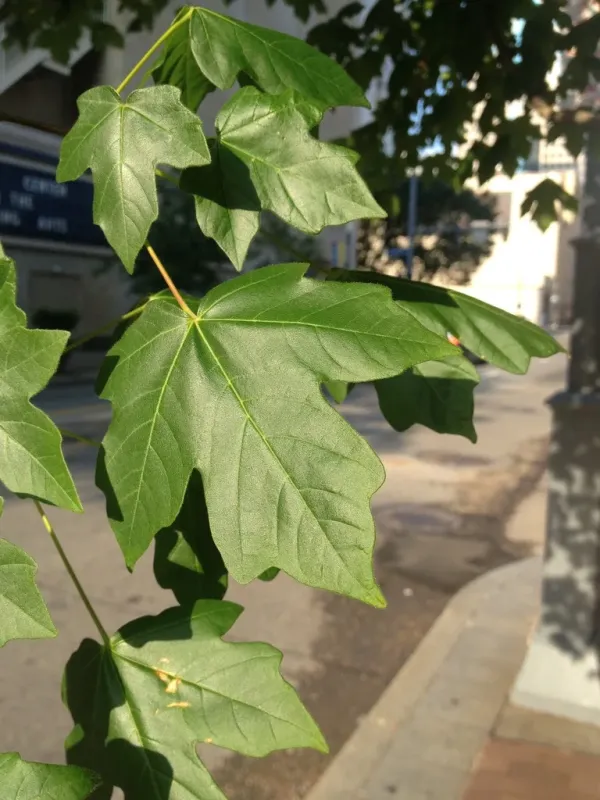
Description
Growing requirements
Miyabe maple (Acer miyabei) is a deciduous tree belonging to the Sapindaceae family, native to northern Japan. It is considered a rare botanical specimen known for its excellent tolerance to urban pollution and its attractive, compact form, making it highly valued by landscape architects.
The tree thrives in deep, well-drained, and nutrient-rich soils with a slightly acidic to neutral pH. Proper soil preparation is essential, as the species does not tolerate waterlogged conditions, which can lead to root system degradation and poor overall vigor during the active growing season.
Regarding climate requirements, Acer miyabei is recognized for its high cold hardiness. It prefers cooler climates with sufficient moisture, though it requires protection from desiccating winds. Its ability to adapt to varying light conditions makes it versatile for different park and garden locations.
Cultivation practices include providing adequate irrigation during the establishment phase and applying mulch to the root zone to regulate soil temperature. Seasonal fertilization with balanced fertilizers helps maintain consistent growth rates and ensures the tree develops a dense and healthy canopy structure.
The economic and practical use of Miyabe maple is mainly focused on ornamental forestry and urban beautification. Due to its slow growth and manageable size, it is an ideal choice for street plantings and residential landscaping, providing consistent aesthetic value throughout the year.
Main diseases and pests
The primary threats to Miyabe maple health include fungal diseases such as Verticillium wilt. This soil-borne pathogen can cause significant damage, therefore, ensuring good soil aeration and avoiding root injuries during mechanical cultivation around the tree base is of utmost importance for prevention.
Common pests include aphids and mites, which primarily target young foliage and shoots during the spring and early summer. Monitoring programs should be implemented to detect infestations early, allowing for the application of targeted biological or chemical controls to preserve the tree's beauty.
Stem cankers and bark injuries can become entry points for opportunistic infections. Maintaining tree hygiene, which involves the removal of dead or crossing branches using sterilized tools, is essential to limit the spread of pathogens throughout the tree’s woody tissue.
Environmental stress, such as extreme heat combined with drought, can significantly weaken the tree, making it more susceptible to secondary pest attacks. Consistent watering and the use of site-appropriate mulching are effective strategies to mitigate stress-related health decline.
Effective disease management relies on maintaining proper plant spacing to facilitate air circulation within the canopy. This practice reduces leaf moisture levels, significantly decreasing the risk of fungal leaf spots and other moisture-related diseases common in maple cultivation.