
Neapolitan maple
Acer obtusatum
Description
Growing requirements
The Neapolitan maple, known scientifically as Acer obtusatum, is a deciduous tree belonging to the Sapindaceae family. It is native to the mountainous regions of Southern Europe, specifically Italy and the Balkans, where it thrives in rocky, calcareous terrain.
Regarding climate requirements, this species is well-adapted to Mediterranean and temperate mountain climates. It prefers locations with cool, moist air and requires protection from extreme desiccation during the peak summer months.
The tree grows best in deep, fertile soils that provide excellent drainage. While it can tolerate slightly rocky substrates, it performs most robustly when provided with sufficient organic matter to maintain consistent soil moisture levels without stagnation.
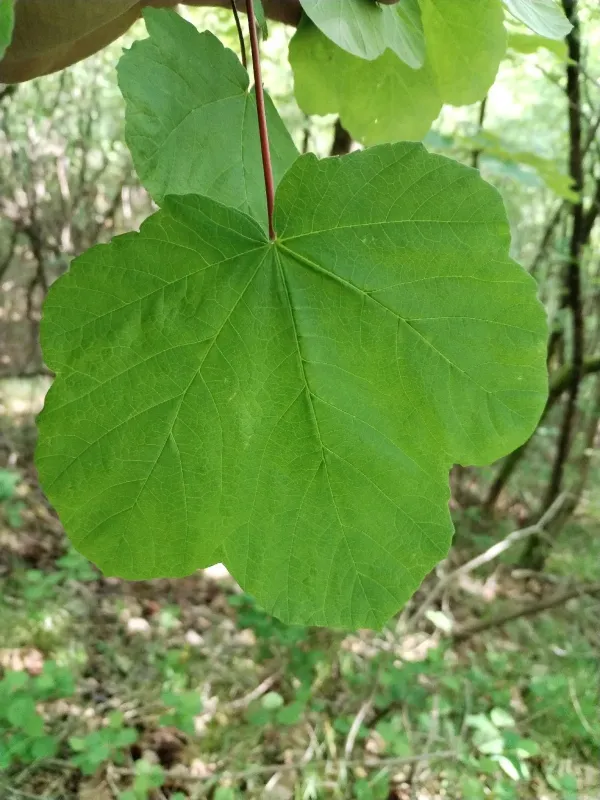
Botanically, it is recognized for its thick, leathery leaves with blunt lobes, providing a dense canopy. The tree is often used for ornamental purposes in large gardens and public parks due to its structural beauty and autumn foliage colors.
In terms of forestry applications, the timber of this maple is prized for its fine grain and density. It is historically utilized in quality cabinetry and carving, making it a valuable addition to mixed forest stands in regions with suitable climates.
Main diseases and pests
Like many maple species, Acer obtusatum is susceptible to powdery mildew during humid and stagnant weather. Ensuring proper air circulation throughout the canopy is the primary cultural control method for this fungal pathogen.
Leaf spot diseases are common, especially in years with high rainfall during the late spring. Proper sanitation, which includes removing and destroying infected fallen leaves, is essential to break the infection cycle of the fungus.
Pests such as aphids and leaf mites can infest the foliage, particularly on young, vigorous growth. Integrated pest management, including the encouragement of natural predators like ladybugs, can often keep populations at manageable levels.
Boring insects, such as the Asian longhorned beetle or native wood-borers, can pose a serious threat if the tree is stressed by drought or environmental conditions. Maintaining tree vigor through proper watering is the best form of long-term protection.
Root rot caused by Phytophthora species is a risk if the tree is planted in heavy, poorly drained soil. Always assess soil permeability before planting to ensure the long-term health and stability of the root system against waterborne pathogens.