
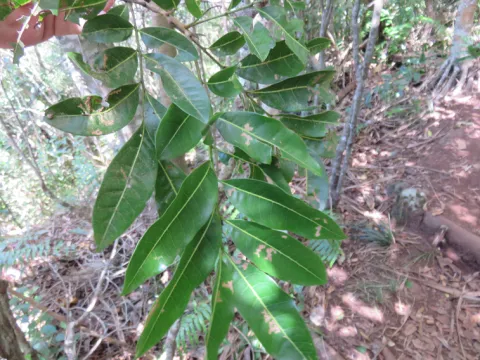
Molinaea
Molinaea
Molinaea is a genus of evergreen trees and shrubs belonging to the Sapindaceae family. These plants are biologically adapted to tropical and subtropical climates, where consistently high temperatures and adequate humidity levels prevail.
What the section contains
Molinaea
In their natural habitat, which encompasses regions of Madagascar and parts of the Indo-Pacific, these plants prefer deep, well-drained, and fertile soils. They are extremely sensitive to waterlogging in the root zone, making proper substrate aeration critical when selecting a planting site.
Successful development of this crop requires locations sheltered from strong winds with dappled sunlight. Direct solar radiation during peak hours can cause leaf scorch in young seedlings, significantly slowing down their vegetative growth.
The temperature regime is a primary factor: Molinaea cannot tolerate even brief periods of sub-zero temperatures. The optimal range for active metabolism for this crop is between +22°C and +30°C with relative air humidity exceeding 60%.
The agronomic practices include regular but moderate irrigation, as well as the application of balanced organic fertilizers during the active growing season. In commercial or ornamental use, it is essential to maintain a stable soil pH within a slightly acidic or neutral range.
Typical threats to representatives of this genus include sap-sucking pests such as mealybugs and scale insects, which often infest young shoots and the undersides of leaves. Their feeding leads to tissue deformation and overall plant weakness.
Under high-humidity conditions with poor canopy ventilation, fungal infections such as leaf spots or anthracnose may develop. Preventive measures include maintaining optimal planting density and performing regular sanitary pruning of branches.