
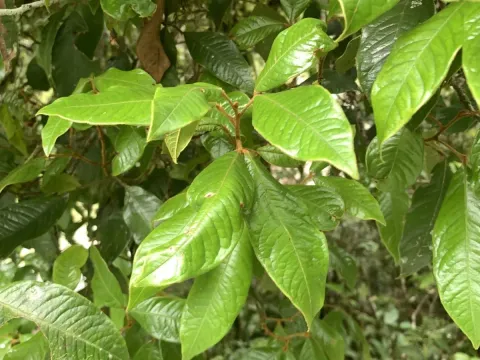
Mischocarpus
Mischocarpus
Mischocarpus is a genus of evergreen trees and shrubs that belongs to the Sapindaceae family. These plants are naturally found in the tropical and subtropical forests of Asia, Australia, and various islands in the Pacific region.
What the section contains

Mischocarpus
This crop thrives in humid tropical climates characterized by consistent temperatures throughout the year. The plant is highly sensitive to frost, which limits its cultivation to regions where freezing temperatures never occur.
Soil requirements for Mischocarpus include well-draining and nutrient-rich substrates. The plant does not tolerate waterlogging; therefore, effective drainage systems are essential to prevent root diseases in areas with heavy or clay-based soils.
The plant prefers areas with filtered sunlight or partial shade. Young seedlings, in particular, require protection from direct sunlight and strong winds that could cause mechanical damage or dehydration of the leaf tissue.
In terms of economic use, the wood of Mischocarpus is valued for its durability and is traditionally used in local construction and carpentry. Furthermore, some species are cultivated in tropical landscape design for their attractive foliage and compact growth habit.
Major threats to Mischocarpus plantations include sap-sucking pests like scale insects and spider mites, which can significantly weaken the plant by feeding on young leaves and tender shoots.
Fungal infections, such as root rot, often occur due to poor drainage or overwatering. These conditions create an environment conducive to the proliferation of pathogenic fungi that target the root system.
Bacterial leaf spot can also become a problem in high-humidity environments with poor air circulation. Ensuring adequate spacing between trees helps reduce the transmission of bacterial pathogens.
Wood-boring insects present a challenge, as they can cause long-term structural damage to the stems and branches. Regular inspection of the trunk for signs of infestation is vital for maintaining tree health.
Preventive management involves maintaining proper irrigation schedules and ensuring optimal plant density. Sanitizing pruning tools and removing infected branches are essential practices to stop the spread of disease within a grove.