
Evergreen maple
Acer oblongum
Description
Growing requirements
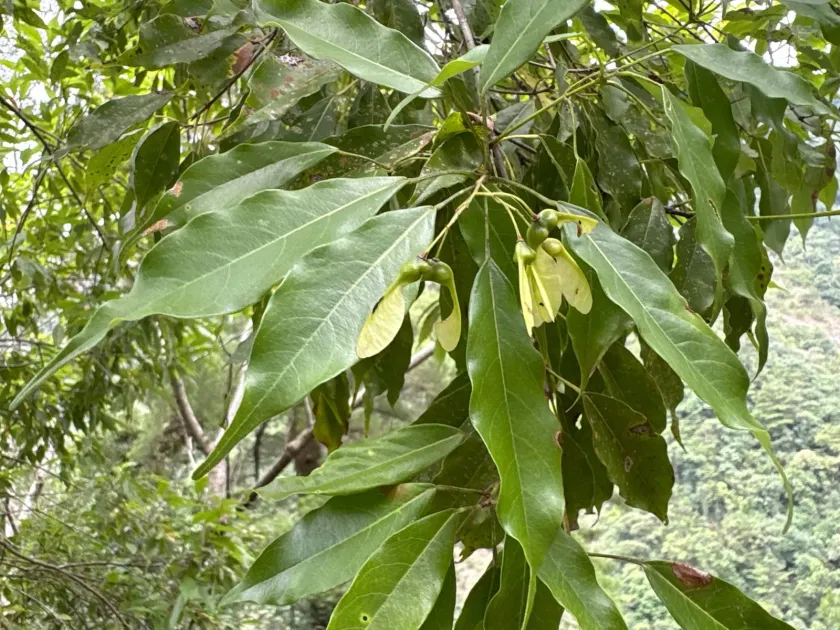
Acer oblongum, commonly known as the evergreen maple, is a distinctive member of the Sapindaceae family. It is renowned for its unique foliage that often remains on the branches throughout the year, differentiating it from the majority of deciduous maple species found in temperate zones.
The native distribution of this species spans across the subtropical regions of Asia, including Southern China, the Himalayas, and parts of Indochina. It thrives in high-humidity mountain forests, where it benefits from stable temperatures and consistent rainfall throughout the growing seasons.
When selecting a planting site, it is crucial to prioritize soil with excellent drainage properties. Acer oblongum prefers fertile, slightly acidic, or neutral loamy soils. Waterlogging should be strictly avoided to prevent root rot, which is a common physiological problem for this particular species.
Climatic requirements for this maple include protection from harsh frost and extreme winds. While it is adaptable to various environments, it is best suited for subtropical climates. In cooler regions, container cultivation is highly recommended to protect the tree during the winter months.
In terms of utilization, Acer oblongum is primarily used for ornamental purposes in gardens and landscapes. Its elongated, glossy leaves add year-round aesthetic value, making it a preferred choice for landscape architects designing private estates, botanical gardens, and conservatories.
Main diseases and pests
Major diseases affecting Acer oblongum include powdery mildew and leaf spot, which typically emerge in environments with poor air circulation or excessive moisture on the foliage. Proper pruning and spacing are essential management practices to mitigate these risks.
Insect pests such as scale insects, aphids, and spider mites represent significant threats to the vitality of the plant. Regular horticultural inspections and the timely application of systemic pesticides or horticultural oils can effectively manage pest populations and ensure healthy growth.