
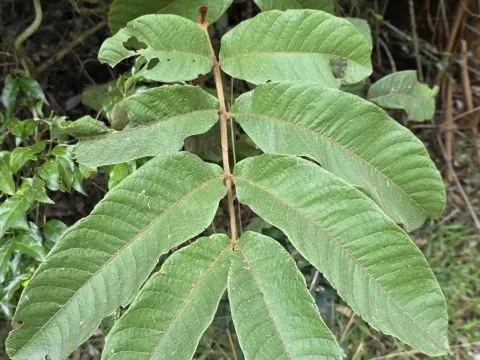
Diploglottis
Diploglottis
Diploglottis is a genus of trees belonging to the Sapindaceae family, native to the tropical and subtropical rainforests of eastern Australia. These evergreen trees are highly valued for their ornamental appeal and edible fruit.
What the section contains


Diploglottis
The plant thrives in warm, humid climates and is intolerant of frost. For cultivation in non-tropical regions, it requires greenhouse conditions with controlled temperature and humidity levels to ensure continuous development.
Soil requirements for Diploglottis include well-draining, nutrient-rich soil with a slightly acidic profile. Incorporating organic matter during planting significantly improves growth rates and overall tree vigor.
Light management is crucial, as young saplings prefer dappled shade, whereas mature trees can adapt to full sunlight. Consistent watering is necessary, especially during the dry season, to maintain the moisture balance of the root zone.
Proper agronomic management involves applying fertilizers balanced for tropical fruit crops during the peak growing season. Periodic pruning helps maintain the structural integrity of the canopy and encourages fruit production.
The primary economic use of Diploglottis involves its edible arils, often referred to in Australia as 'native tamarind'. These are widely used in culinary applications, including preserves, sauces, and gourmet desserts.
Due to the increasing popularity of indigenous superfoods, there is growing interest in the commercial cultivation of Diploglottis. The fruit's unique acidity and nutrient density make it a valuable asset for niche food markets.
Common pests affecting Diploglottis include scale insects and mealybugs. Integrated pest management strategies are recommended to mitigate these issues without compromising the environmental safety of the orchard or greenhouse.
Fungal pathogens may occur if the environment is consistently too moist with poor airflow. Ensuring adequate spacing between trees and implementing professional pruning techniques help reduce the risk of disease transmission.
Harvesting is performed by hand when the fruits reach their characteristic color, signaling peak ripeness. Gentle handling is required to prevent bruising, as the fruit structure is delicate and has a limited shelf life.