
Dipteronia
Dipteronia
Dipteronia is a genus of deciduous trees and shrubs belonging to the Sapindaceae family. Native to China, this genus includes only two recognized species, D. sinensis and D. dyeriana, both of which are rare and highly sought after by botanical collectors.
What the section contains

Dipteronia
The plant requires fertile, well-draining soil with a neutral or slightly acidic pH. It thrives in locations that receive dappled sunlight or partial shade, as exposure to harsh, direct sunlight can scorch its delicate foliage.
Consistent soil moisture is essential for the healthy development of Dipteronia. It is not drought-tolerant, so supplemental irrigation is necessary during dry spells, particularly for young specimens established in garden settings.
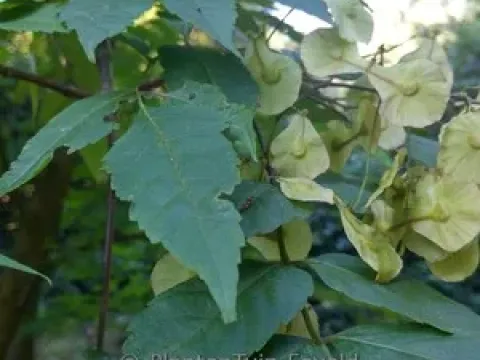
Botanically, Dipteronia is characterized by its pinnate leaves and distinctive fruit, which are flat samaras containing seeds in the center, surrounded by a circular wing. This unique seed dispersal mechanism is a key identifier for the genus.
From an agricultural and horticultural perspective, Dipteronia is primarily valued for its ornamental appeal in arboretums and specialized gardens. Its slow growth rate and specific climatic needs limit its use to non-commercial, amenity planting.
Dipteronia can be susceptible to various fungal pathogens, especially in environments with poor air circulation or excessive humidity. Powdery mildew is one of the most common issues affecting the health of its leaves.
Insect pests, including aphids and leaf-eating beetles, may occasionally attack the plant. Regular monitoring of the canopy is recommended to detect these pests before they reach a level that requires chemical intervention.
Environmental stress, such as frost damage on young shoots, remains a primary threat in regions outside its native temperate-subtropical range. Protective measures, such as mulching or covering, are advisable in colder climates.
Root rot caused by poor soil drainage is a lethal condition for Dipteronia. Ensuring that the planting site has adequate water permeability is a critical preventative measure in any cultivation strategy.
Effective management involves a combination of good cultural practices, such as proper spacing for air circulation, and the judicious use of pesticides when necessary to preserve the plant's aesthetic value.