
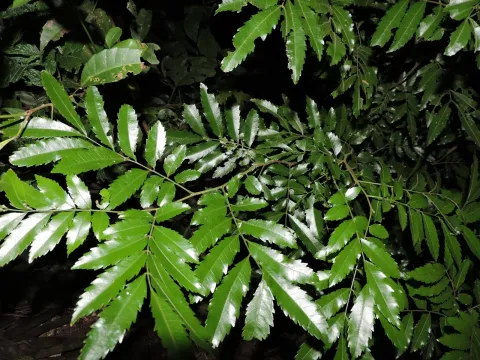
Diatenopteryx
Diatenopteryx
Diatenopteryx is a genus of trees belonging to the Sapindaceae family. These plants are native to the tropical and subtropical regions of South America, primarily flourishing in the forests of Argentina, Paraguay, and southern Brazil.
What the section contains


Diatenopteryx
The culture thrives in environments that provide consistent warmth and sufficient humidity. It is typically found in well-drained soils, often preferring areas where organic matter has accumulated, contributing to the fertility of the forest floor.
Regarding climate requirements, the species is adapted to tropical conditions without severe frost. It requires a significant amount of light to maximize growth rates, although young saplings may benefit from light canopy cover in their early stages.
Soil management for Diatenopteryx focuses on maintaining an optimal pH and preventing waterlogging. A deep, aerated soil profile is essential to support the long-term health and structural integrity of the root system as the tree matures.
Industrially, this tree is valued for its wood, which is known for its durability and aesthetic appeal. It is commonly used in high-quality carpentry, furniture manufacturing, and general wood construction within its native distribution range.
Fungal pathogens represent the primary threat to Diatenopteryx plantations, especially in regions with high seasonal rainfall. Maintaining proper spacing between trees helps reduce humidity levels and limits the spread of fungal spores.
Stem-boring insects can cause significant damage to the timber quality by creating internal galleries. Regular monitoring of tree health, particularly looking for exit holes or frass, is crucial for timely pest management actions.
Leaf-eating caterpillars may impact overall tree vigor by reducing the photosynthetic surface area. Integrated pest management strategies, focusing on biological controls, are preferred to minimize the use of harsh chemicals in forest environments.
Soil compaction is an underestimated threat that can hinder root expansion and nutrient uptake. Protecting the ground layer and avoiding heavy machinery near the root zones is vital for maintaining the physiological health of the trees.
Environmental stress, including prolonged droughts, can weaken the resistance of Diatenopteryx to opportunistic infections. Implementing irrigation strategies during extreme dry seasons is recommended for maintaining optimal growth rates in commercial settings.