
Dimocarpus gardneri
Dimocarpus gardneri
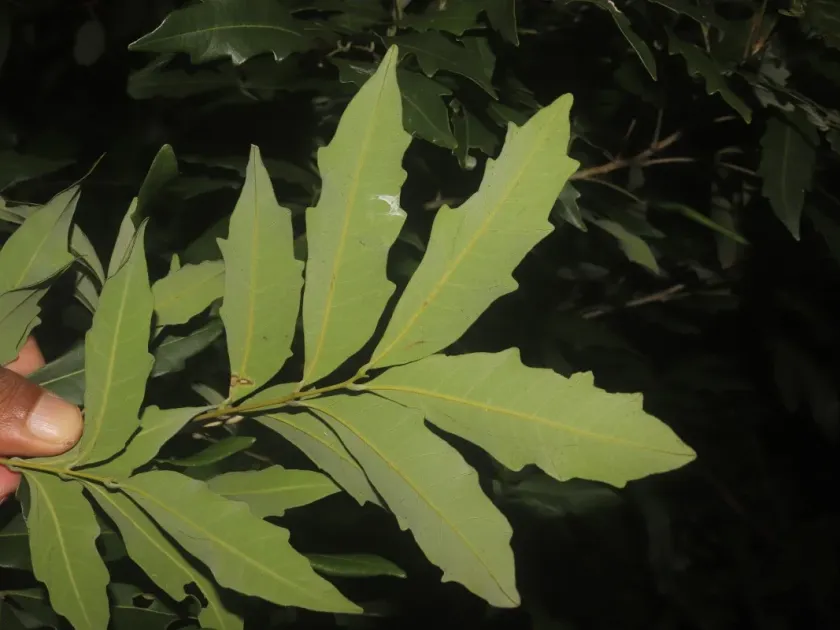
Description
Growing requirements
Dimocarpus gardneri is a member of the Sapindaceae family, closely related to the popular longan tree. This evergreen tree is native to tropical environments and requires high levels of humidity and stable warm temperatures to thrive.
Regarding soil requirements, the tree performs best in well-drained, nutrient-rich loamy soils. It has a low tolerance for heavy clay or waterlogged soils, which significantly increase the risk of root rot and overall plant decline.
Climate conditions are critical for its cultivation. It prefers areas with a consistent tropical climate, where temperatures remain between 22 and 30 degrees Celsius. Protecting the young trees from cold drafts and direct frost is essential for survival.
Watering practices should be consistent, ensuring that the soil remains moist but never saturated. In regions with distinct dry seasons, supplemental irrigation is necessary to maintain the plant's health and support the development of fruits.
Sunlight exposure should be managed effectively. While the tree requires plenty of light for optimal growth, excessive afternoon heat in intense tropical sunlight can scorch the leaves, so some form of canopy protection is beneficial.
Yield
The economic use of Dimocarpus gardneri primarily revolves around the production of its edible fruits. These fruits are appreciated for their succulent texture and nutritional profile, making them a niche but valuable crop.
Achieving high yields depends heavily on tree maturity and the implementation of regular fertilization programs. Applying a balanced NPK fertilizer during the vegetative phase supports canopy growth and enhances subsequent fruiting.
Training and pruning are standard horticultural practices for this species. Removing internal crossing branches ensures better airflow throughout the crown and improves fruit quality by increasing light penetration.
Pollination success is a major factor in determining yield. Intercropping or planting multiple specimens can encourage better fruit set, as the species relies on effective pollen distribution during its flowering period.
Post-harvest handling is critical because the thin skin of the fruit is highly susceptible to mechanical damage. Packing the produce in well-ventilated containers helps maintain freshness and minimizes losses during transit.
Main diseases and pests
The primary biological threats to Dimocarpus gardneri include scale insects and mealybugs. These pests attach to the bark and leaves, extracting nutrients and often leading to the growth of sooty mold on the foliage.
Fungal pathogens such as anthracnose represent a major concern in high-humidity environments. These diseases target both the leaves and the developing fruit, significantly reducing the marketable value of the harvest.
Effective management includes implementing a rigid sanitation schedule. Removing diseased plant material and maintaining proper spacing between trees are the most effective ways to break the cycle of infection.
Integrated pest management (IPM) strategies, which prioritize the use of biological control agents like predatory mites and beneficial insects, are recommended over broad-spectrum chemical pesticides to preserve ecosystem balance.
Continuous monitoring of the orchard is required, particularly during the flowering and fruit-setting stages. Early detection of pest colonies allows for localized treatment, preventing the need for extensive chemical interventions.