
Diploglottis australis
Diploglottis australis
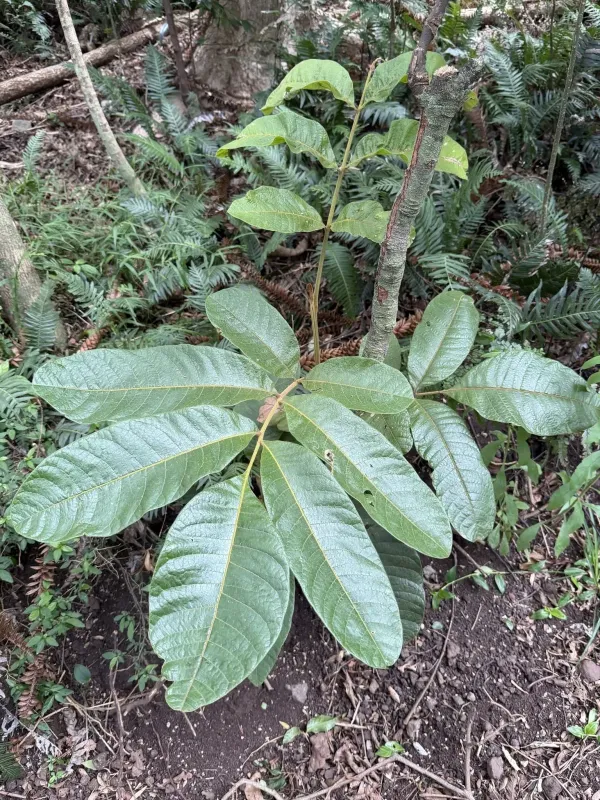
Description
Sowing dates
Propagation of Diploglottis australis, commonly known as Native Tamarind, is primarily achieved through seeds which remain viable only for a short period after harvest.
For successful germination, fresh seeds should be sown immediately into a well-draining, nutrient-rich potting mix and kept in a warm, humid environment.
The optimal germination temperature ranges between 22 and 26 degrees Celsius, with seedlings appearing within several weeks if moisture levels are strictly maintained.
During the initial growth stages, it is essential to provide shade to mimic the conditions of the natural rainforest understory from which the species originates.
Transplanting into the permanent field site should occur once the root system is well-established, ideally during the onset of the rainy season to minimize transplant shock.
Growing requirements
As a member of the Sapindaceae family, Diploglottis australis thrives in tropical and subtropical regions that provide consistent moisture and warmth.
The tree requires deep, fertile, and slightly acidic soils that possess excellent drainage properties to prevent any form of waterlogging, which the roots are sensitive to.
Climate-wise, the plant prefers areas with high humidity and protection from severe frosts, as cold snaps can significantly damage its canopy and future fruiting potential.
While the tree can tolerate dappled light, achieving optimal growth rates and fruit production generally requires a balance of sheltered conditions and access to filtered sunlight.
Regular irrigation is vital during the establishment phase and during periods of low rainfall to ensure the plant maintains its metabolic activity and vegetative vigor.
Main diseases and pests
The tree is generally robust, but it can be susceptible to specific pests like scale insects and mealybugs that congregate on the undersides of leaves and young stems.
Fungal infections, such as leaf spot, may occur in orchards with poor air circulation or excessive leaf wetness, necessitating regular pruning of the inner crown.
Root zone pathogens can be an issue in poorly drained soils, potentially leading to slow decline, so monitoring soil drainage is a primary preventive measure.
Biological pest control agents and the application of horticultural soaps are recommended as primary interventions to minimize the use of harsh synthetic chemicals.
Proper garden hygiene, such as removing fallen debris and thinning out dense branches, significantly lowers the risk of disease outbreaks in professional groves.
Harvesting
Harvesting usually takes place when the fruit capsules ripen to a vibrant orange color, signaling that the inner pulp has reached its peak acidity and flavor profile.
The fruits must be picked by hand with great care, as the thin skin and soft texture make them highly prone to bruising during mechanical handling.
Post-harvest, the fruits have a short shelf life and are best processed immediately or stored in refrigerated conditions to preserve their culinary qualities.
Native Tamarind is highly valued in the culinary industry for its unique, tangy flavor, which is widely utilized in gourmet sauces, jams, and traditional beverages.
Efficient management of the harvest schedule is key to maximizing quality, as fruits that drop prematurely are often unusable and prone to rapid spoilage.