
Dodonaea lanceolata
Dodonaea lanceolata
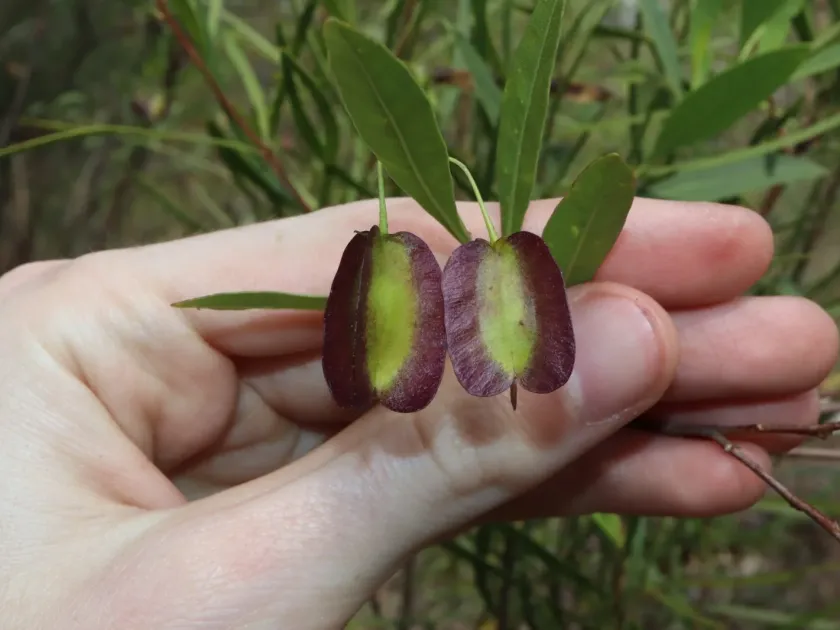
Description
Growing requirements
Dodonaea lanceolata, belonging to the Sapindaceae family, is an evergreen shrub native to the arid regions of Australia. This plant is known for its remarkable adaptability to harsh environments, particularly in sandy or well-drained loamy soils.
The plant thrives in full sun exposure and requires minimal irrigation once established. Its kserophytic nature allows it to withstand long periods of drought, making it an excellent choice for xeriscaping and reclamation projects in dry zones.
Botanically, the plant is characterized by its lance-shaped leaves, which possess a waxy cuticle to reduce water loss. Agronomic success with this species depends heavily on maintaining excellent soil drainage, as the roots are highly susceptible to rot if water persists.
Host usage of Dodonaea lanceolata primarily revolves around erosion control and landscaping. Due to its dense root system, it is frequently utilized to stabilize loose soils and prevent degradation on sloped land or in windy exposed areas.
Furthermore, research suggests that Dodonaea species contain secondary metabolites of interest for the pharmaceutical industry. Its potential for industrial applications makes it a plant of ongoing scientific interest for sustainable agricultural development.
Main diseases and pests
The primary threats to Dodonaea lanceolata in cultivation are fungal diseases, particularly Phytophthora, which thrive in waterlogged soil conditions. Proper site selection and drainage management are essential to prevent these infections.
Pests such as aphids and scale insects are common adversaries for this shrub. They tend to settle on succulent new growth, extracting sap and weakening the overall vigor of the plant, which may lead to stunted growth.
In humid microclimates, powdery mildew may manifest on the foliage, necessitating pruning to improve airflow. Maintaining the health of the plant through proper spacing and regular sanitation is the most effective biological control method.
Root-damaging beetles can also pose a risk in some regions, necessitating periodic soil inspections. Integrated pest management practices should focus on preventive care to avoid the need for broad-spectrum chemical interventions.
Regular fertilization with balanced nutrients is recommended to bolster the plant's natural immune response. By managing the growing environment actively, growers can minimize the prevalence of these typical agricultural threats.