
Diploglottis campbellii
Diploglottis campbellii
Description
Growing requirements
Diploglottis campbellii, commonly known as the small-leaved tamarind, is a member of the Sapindaceae family. This rare tree originates from the subtropical rainforests of Australia, specifically along the New South Wales and Queensland border.
To cultivate this species successfully, gardeners must provide deep, fertile, and well-drained soils. Consistent moisture is vital, especially during the tree's formative years in the landscape.
The plant thrives in subtropical climates that are free from severe frosts. It requires shelter from high winds and direct harsh sunlight, mimicking its native forest understory environment.
Maintenance practices include mulching to keep the soil cool and suppress weed competition. Proper site selection is the foundation of long-term success for this slow-growing plant.
Propagation is typically carried out via fresh seeds, which must be sown immediately as they exhibit short viability after harvesting from the mature fruit capsules.
Main diseases and pests
The primary threat to Diploglottis campbellii in its natural habitat is the loss of biodiversity and fragmentation of the rainforest patches where it grows.
In an agricultural setting, pests such as scale insects may occasionally infest the foliage, requiring careful monitoring to prevent a decline in tree vigor.
Root rot caused by Phytophthora or other soil-borne fungi is a significant risk if the drainage is inadequate, leading to waterlogged soil conditions.
Birds are the most significant harvest pests, often consuming the red fruits before they can be collected by the grower, necessitating the use of protective bird netting.
To ensure plant health, growers should maintain a balanced nutrient program and perform seasonal prunings to encourage airflow and light penetration in the canopy.
Harvesting
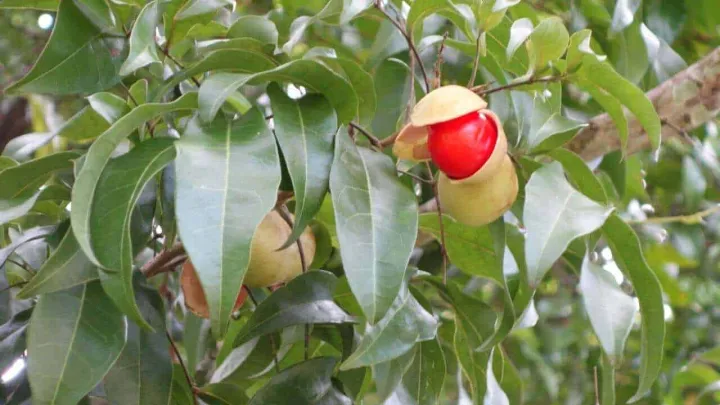
The fruit of the Diploglottis campbellii is a bright red capsule that protects the fleshy edible pulp surrounding the seed. Harvesting is performed when the fruits reach their peak color.
In culinary applications, the fruit is prized for its tart, tangy flavor. It is frequently used in traditional cooking, jams, and as a gourmet ingredient in contemporary food preparations.
Post-harvest handling is critical because the fruit is highly perishable. Refrigeration is recommended if the produce cannot be processed within hours of collection.
Small-scale commercial production is emerging, driven by the increasing interest in native bush foods that offer distinct nutritional and sensory profiles.
Careful hand-picking is the standard method to ensure that the delicate skin of the fruit is not bruised or damaged during the harvest season.