
Diploglottis bernieana
Diploglottis bernieana
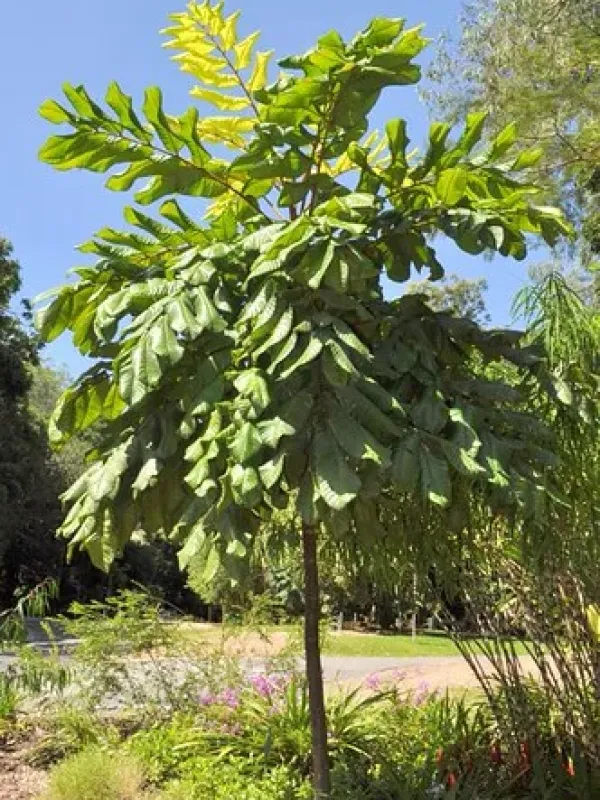
Description
Growing requirements
Diploglottis bernieana is a botanical species belonging to the Sapindaceae family, native to the rainforest regions of northeastern Queensland, Australia.
This species thrives in a tropical climate characterized by high humidity, constant warmth, and protection from any form of frost or cold winds.
Cultivation requires deep, fertile soils rich in organic matter that mimic the natural forest floor environment for optimal nutrient absorption.
Young trees specifically require partial shade to protect them from direct, intense sunlight, which can cause leaf scorch and dehydration.
Consistent moisture levels in the soil must be maintained, as the plant is not adapted to prolonged periods of drought or irregular water supply.
Yield
The tree produces edible fruits known for their distinct acidic flavor, which are used in local culinary traditions for various preparations.
The yield of Diploglottis bernieana is seasonal and largely dependent on the age of the tree and the specific environmental conditions of the site.
In a horticultural context, the crop is valued for its potential in producing niche artisanal products like unique jams, sauces, and local beverages.
Harvesting is typically done by hand at the precise stage of maturity to ensure the best balance of acidity and pulp texture for culinary use.
Due to the short shelf life of the fruit, processing should occur shortly after harvesting to prevent spoilage and maintain flavor quality.
Main diseases and pests
Fungal pathogens associated with high humidity and stagnant air are the most significant threat to the health of the Diploglottis bernieana tree.
Various insect pests, including fruit-piercing moths and fruit flies, can significantly reduce yield if not managed with appropriate agricultural practices.
Effective management involves regular pruning to ensure proper airflow through the canopy, which naturally reduces the risk of fungal proliferation.
Integrated Pest Management (IPM) strategies are recommended to monitor for early signs of infestation and to mitigate damage to the fruit.
Maintaining optimal soil health and drainage is crucial for preventing root-related diseases that can weaken the overall structure of the tree.