
Diploglottis bracteata
Diploglottis bracteata
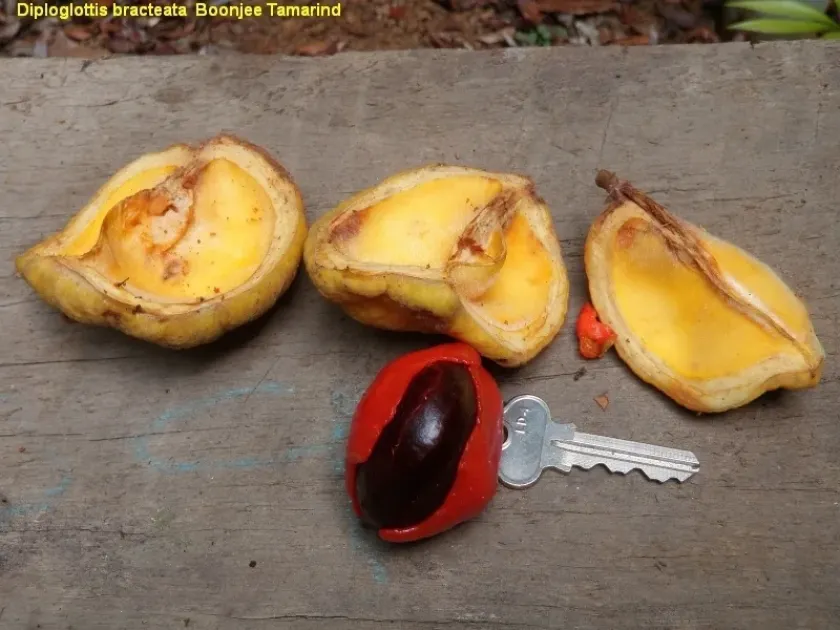
Description
Growing requirements
Diploglottis bracteata is a rare species belonging to the Sapindaceae family, native to the tropical rainforests of northeastern Queensland, Australia. This evergreen tree is a specialized component of the understory vegetation.
The cultivation of this species requires a stable, warm tropical environment with high humidity levels. In botanical collections, it thrives in shaded locations, protected from direct sunlight that can cause severe foliar burning in younger specimens.
Soil requirements dictate the use of a nutrient-rich, well-drained substrate with an acidic to neutral pH profile. Maintaining consistent soil moisture is crucial, as the plant does not tolerate prolonged periods of drought or waterlogged soil conditions.
Botanically, the species is defined by its compound leaves and specific floral structure, which are typical for the genus Diploglottis. It exhibits a slow growth rate, reflecting its adaptation to the low-light conditions of its natural rainforest habitat.
Regarding хозяйственное usage, Diploglottis bracteata is primarily maintained for conservation purposes and scientific research within botanic gardens. It is not considered a commercial agricultural crop due to its status as a restricted and vulnerable species.
Main diseases and pests
Threats to Diploglottis bracteata are predominantly linked to habitat loss in its native range. Under greenhouse cultivation, the plant may face pressure from common tropical pests like mealybugs, scale insects, and aphids, which thrive in protected environments.
Fungal pathogens causing root rot are a significant risk if the drainage is insufficient. Overwatering during cooler periods can facilitate the onset of these diseases, leading to systemic decline of the tree's health.
Slugs and snails can severely damage the tender foliage of young saplings, requiring diligent management. Biological control methods are preferred to maintain the health of the plant without the use of harsh synthetic chemicals.
Abiotic stress, caused by fluctuations in air humidity or temperature, often results in leaf chlorosis and premature leaf drop. Providing a stable microclimate is the most effective method for disease prevention.
Strict sanitary practices, including the regular removal of dead tissue and proper airflow, are essential to mitigate the risk of viral or bacterial infections, which can be devastating in closed collections.