
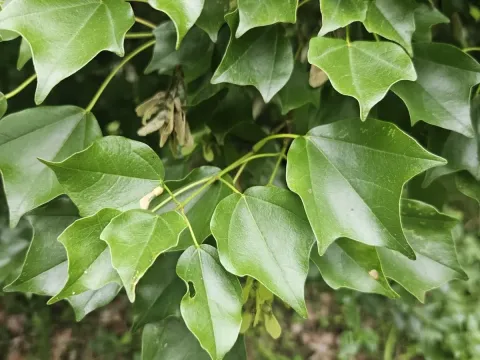
Trident maple
Acer buergerianum Miq.
Trident maple is typically propagated through seeds, which require stratification to break dormancy. Seeds should be sown in the autumn to allow for natural cold treatment throughout the winter, ensuring higher germination rates in the following spring.
What the section contains
Trident maple
When sowing in a nursery setting, ensure the seeds are covered with a thin layer of light, well-draining soil. Maintain consistent moisture without causing waterlogging, as the seeds are sensitive to rotting in excessively damp conditions.
Seedlings need partial shade during their first growing season to prevent leaf scorch. As they mature, they can gradually be exposed to more sunlight, which promotes a sturdier structure and better root system development.
Vegetative propagation via cuttings is also practiced for cultivars, often performed in late spring or summer. Using a rooting hormone and a high-humidity environment under mist or a plastic cover significantly increases the success rate of propagation.
Transplanting young maples is best done in the early spring before the buds break. Ensure the planting hole is twice the width of the root ball and amended with organic matter to encourage strong initial growth.
Acer buergerianum, a member of the Sapindaceae family, is native to eastern China. It is highly valued in horticulture for its distinct three-lobed leaves and exceptional autumn coloration, which ranges from yellow to deep red and purple.
The species thrives in full sun to partial shade. While adaptable to various soil types, it performs best in deep, fertile, and slightly acidic soils. Good drainage is essential, as the Trident maple dislikes waterlogged conditions that lead to root rot.
It is remarkably tolerant of urban conditions, including compacted soil and air pollution, making it an excellent candidate for street planting and park design. It also has a moderate tolerance for drought once fully established in the landscape.
Climate-wise, it prefers regions with temperate winters. While it is hardy in many zones, young trees might require protection from extreme winter winds or severe freezes to prevent bark splitting and tip dieback.
Routine maintenance includes structural pruning, which should be done during the dormant season. This helps in developing a strong scaffold of branches and maintaining the characteristic form of the tree for ornamental purposes.
Trident maple is generally robust, but it can be susceptible to powdery mildew in climates with high humidity and poor air circulation. Proper spacing between trees is a key preventative measure to ensure adequate airflow within the canopy.
Pests such as aphids and spider mites can occasionally affect the foliage. If an infestation occurs, regular washing with a strong spray of water or the application of horticultural oils or insecticidal soaps is usually effective.
Leaf spot diseases may appear during wet seasons, manifesting as dark lesions. Removing infected debris and maintaining tree health through appropriate fertilization helps minimize the impact of these fungal pathogens.
Stem borers may occasionally target stressed trees. Monitoring for signs of activity, such as exit holes or sawdust-like frass on the trunk, allows for early intervention and protects the tree from serious long-term damage.
- Regular monitoring for signs of stress
- Pruning to remove dead or diseased branches
- Applying balanced fertilizers to boost immunity
- Using dormant oils for insect prevention