
Sycamore maple
Acer pseudoplatanus L.
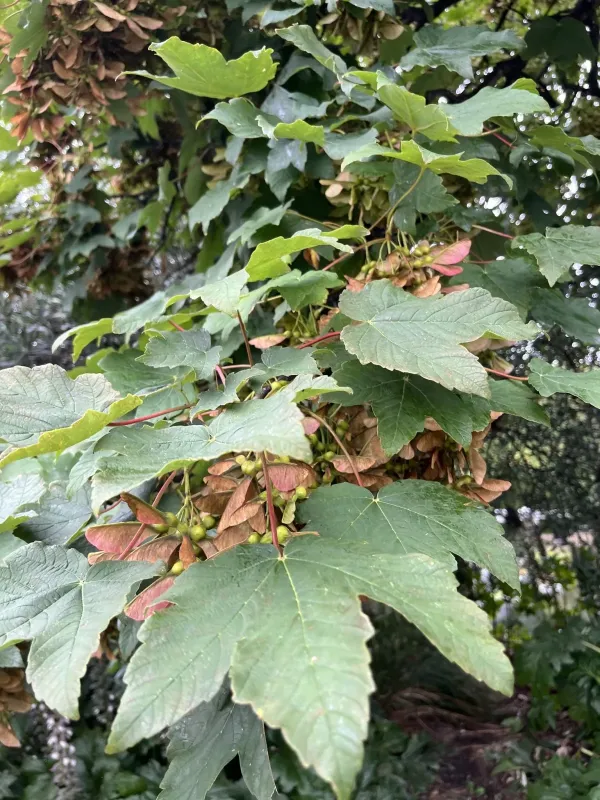
Description
Sowing dates
Sycamore maple seeds are typically sown in autumn, shortly after collection, to ensure the necessary exposure to winter cold for proper stratification.
Spring sowing requires pre-treatment of the seeds with a cold stratification period of three to four months at temperatures near freezing to break dormancy.
Seeds should be sown at a depth of 3–5 centimeters in a nursery bed to protect them from drying out while ensuring enough space for early seedling development.
Nursery practices involve row sowing with appropriate spacing to allow for mechanical weeding and proper light exposure for the young saplings.
Consistent moisture management in the seedbed is essential to maximize germination rates and prevent the seeds from decaying in waterlogged conditions.
Growing requirements
The Sycamore maple (Acer pseudoplatanus) is a large deciduous tree belonging to the Sapindaceae family, native to central and southern Europe.
This species thrives in deep, fertile, and well-drained soils, showing a preference for sites with high mineral content and consistent moisture levels.
While somewhat shade-tolerant as a juvenile, the sycamore requires full sun or partial shade as it matures to develop its full, broad-crowned canopy.
It is well-adapted to temperate climates, although it can be sensitive to extreme frost or prolonged droughts in the early stages of its development.
The species is known for its tolerance to wind and salt spray, making it a popular choice for coastal landscaping and reforestation projects in exposed areas.
Yield
The primary economic value of the sycamore maple lies in its high-quality timber, which is highly sought after for furniture making and cabinetry.
Sycamore wood is particularly valued for its bright, creamy appearance and is a standard choice for crafting high-end musical instruments like violins.
In forestry, it acts as a valuable component in mixed hardwood stands, enhancing biodiversity and contributing to the enrichment of topsoil with organic matter.
Productivity is managed through strategic thinning, which favors the development of tall, straight trunks with fewer knots and better commercial dimensions.
Sustainable forest management practices ensure a continuous supply of this timber while maintaining the ecological balance of the forest ecosystem.
Main diseases and pests
The most common disease affecting the sycamore is tar spot, caused by the fungus Rhytisma acerinum, which results in characteristic black spots on leaves.
Powdery mildew can become a significant issue during periods of high humidity and poor air circulation, particularly in dense nursery plantings.
Pests such as the horse chestnut scale or various leaf-feeding caterpillars can reduce tree vigor and affect the overall growth of young specimens.
Bark canker and various root pathogens pose a threat, particularly if trees are weakened by environmental stress or physical damage to the trunk.
Managing these threats involves maintaining tree health through thinning and ensuring that planting sites meet the species' specific ecological needs.
Harvesting
Harvesting of sycamore maple timber is typically planned based on the maturity of the trees, often between 80 and 120 years of age.
Winter logging is preferred to ensure the timber contains less sap and is less prone to staining or fungal attack after it has been felled.
Upon harvesting, immediate processing of logs is recommended to preserve the bright color of the wood and prevent excessive drying cracks.
Logs are carefully graded to distinguish between structural timber and the highly prized wood used for veneers or specialty craft industries.
Efficient log extraction techniques are necessary to minimize damage to the surrounding forest environment and ensure long-term sustainability of the area.