
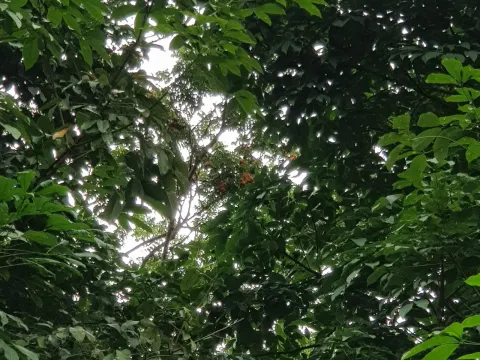
Trigonachras
Trigonachras
Trigonachras is a genus of evergreen trees belonging to the Sapindaceae family. These plants are native to the tropical regions of Southeast Asia, where they thrive in specific humid forest environments.
What the section contains

Trigonachras
To ensure healthy growth, the crop requires consistent tropical conditions characterized by high air humidity and stable, warm temperatures throughout the year. The species is highly sensitive to cold and cannot survive any frost events.
The ideal soil conditions for Trigonachras include nutrient-rich, well-draining substrates with a slightly acidic to neutral pH. Proper soil structure is essential, as the plant does not tolerate waterlogging, which can quickly lead to root decay.
In their natural habitat, these trees prefer environments with abundant filtered sunlight. When cultivated, young specimens often benefit from partial shade during the hottest hours to prevent leaf scorching and excessive transpiration.
Standard cultivation practices for this genus involve regular irrigation, the application of organic fertilizers during the active growth phase, and canopy management to maintain a balanced branch structure.
The primary biological threats to Trigonachras include pests commonly associated with the Sapindaceae family, such as scale insects and mealybugs, which can cause significant damage to young stems and leaf surfaces.
Excessive humidity can encourage the growth of fungal pathogens, leading to root rot and foliar spots. Preventive measures include maintaining adequate spacing between individual trees to ensure proper air circulation and reducing humidity levels during stagnant periods.