
Tutcher's maple
Acer tutcheri
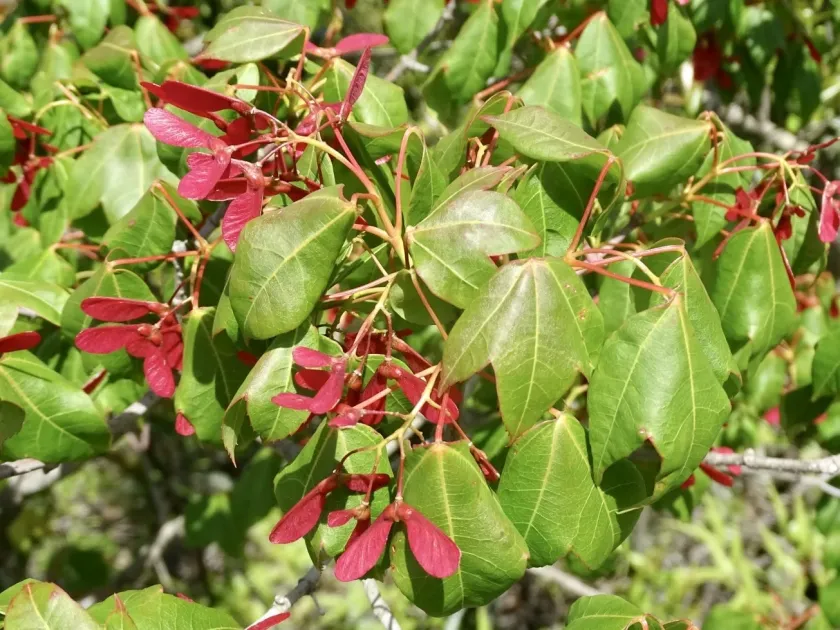
Description
Growing requirements
Tutcher's maple (Acer tutcheri) belongs to the Sapindaceae family and is recognized as a distinctive species native to the mountainous forests of Southeastern China and Taiwan. It is a rare tree that thrives in specific humid subtropical forest ecosystems.
The cultivation of this species requires well-drained, nutrient-rich soils with a slightly acidic profile. Proper site selection is vital; the tree performs best in partially shaded locations where it is protected from intense, direct sunlight during the afternoon hours.
Climatic requirements are centered around consistent humidity levels and protection from extreme temperature fluctuations. In agricultural or ornamental settings, providing a stable microclimate is key to maintaining the tree's health and aesthetic appeal.
Maintenance involves regular monitoring of soil moisture, especially during the early years of growth. Applying organic mulch around the root zone helps to conserve water and suppress weed competition, which is crucial for the establishment of young specimens.
Beyond its ecological value, Acer tutcheri is utilized in specialized horticulture and botanical conservation efforts. Its elegant foliage and unique branching structure make it a highly desirable addition for collectors of rare woody plants.
Main diseases and pests
Tutcher's maple is susceptible to common pests such as aphids and spider mites, particularly in environments with poor air circulation. These pests can cause significant damage to the foliage if left unchecked during the spring growing season.
Fungal diseases like powdery mildew and leaf spot are potential threats that arise in high-humidity conditions. Implementing proper pruning techniques ensures better airflow through the canopy, significantly reducing the likelihood of fungal colonization.
Chemical intervention should be considered only after monitoring confirms a threshold level of infestation. The use of biological controls or eco-friendly pesticides is preferred to maintain the health of the surrounding soil microbiome.
Root rot caused by stagnant water is a severe threat to Acer tutcheri. Ensuring the planting site has adequate drainage, such as incorporating gravel or coarse sand into the subsoil, is an essential preventative measure.
Regular inspections for symptoms of wood-boring insects are necessary to protect the structural integrity of the tree. Any observed damage should be treated immediately with appropriate sanitary measures to prevent the spread of infestations.