
Tschonoski maple
Acer tschonoskii
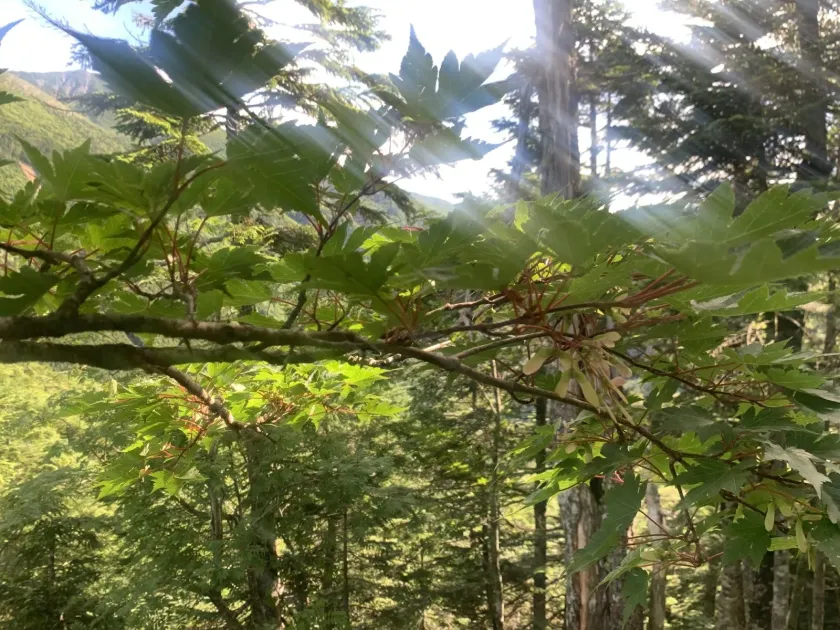
Description
Sowing dates
The propagation of the Tschonoski maple is most effectively achieved through seeds, as this method ensures the growth of robust and healthy specimens. Sowing is typically carried out in autumn directly into the ground or following a period of cold stratification in spring.
Seeds of this species exhibit a deep dormancy period, necessitating cold stratification at temperatures between 2 and 5 degrees Celsius for approximately 90 to 120 days to ensure successful germination.
When sown in nursery beds, seeds should be planted at a depth of 2–3 centimeters. It is crucial to maintain consistent soil moisture during the initial weeks after germination to prevent the delicate seedlings from drying out.
Vegetative propagation via cuttings is less common due to lower rooting success rates. The optimal time for taking semi-hardwood cuttings is early summer, utilizing hormone rooting treatments to encourage better development.
Choosing a planting site is vital; the species thrives in locations protected from harsh winds, which helps preserve the crown structure and prevents the desiccation of younger, more vulnerable branches.
Growing requirements
The Tschonoski maple (Acer tschonoskii) is a member of the Sapindaceae family, native to the mountain forests of Japan and Korea. It is a deciduous tree or large shrub known for its high cold hardiness, typical of high-altitude flora.
The plant has moderate soil requirements, preferring loose, fertile loams with excellent drainage. Acer tschonoskii is sensitive to waterlogging, so providing a drainage layer in heavy clay soils is essential for its health.
While the tree is shade-tolerant during its juvenile phase, it requires a sufficient amount of filtered sunlight as it matures to develop its characteristic vibrant foliage color and reach its full growth potential.
An optimal soil pH level should fall within the slightly acidic to neutral range. Growers should avoid alkaline sites with high lime content, as these conditions often trigger leaf chlorosis and stunted growth.
Regular irrigation is required during dry spells. Applying mulch around the base using peat or wood chips helps maintain soil moisture levels and protects the shallow root system from extreme temperature fluctuations.
Main diseases and pests
The primary health threats to the Tschonoski maple include fungal infections, such as powdery mildew and various leaf spot diseases, which typically proliferate in conditions of high humidity and poor air circulation.
Leaf-eating insects, including specific caterpillar species and weevils, pose the greatest danger to the foliage, especially during the spring growth flush, which can significantly affect the tree's visual appeal.
Sucking pests like aphids and spider mites can also damage the tree, particularly during periods of intense heat, leading to shoot deformation and the loss of decorative quality in ornamental landscape settings.
Proactive disease management involves regular sanitary pruning of infected branches and the application of broad-spectrum fungicides as soon as the first signs of infestation or infection appear.
- Maintain proper spacing between trees to improve crown ventilation.
- Apply balanced mineral fertilizers to strengthen the tree's natural immune system.
- Keep the area surrounding the tree base free of weeds to reduce competition for nutrients.