
Trautvetter maple
Acer trautvetteri
Description
Growing requirements
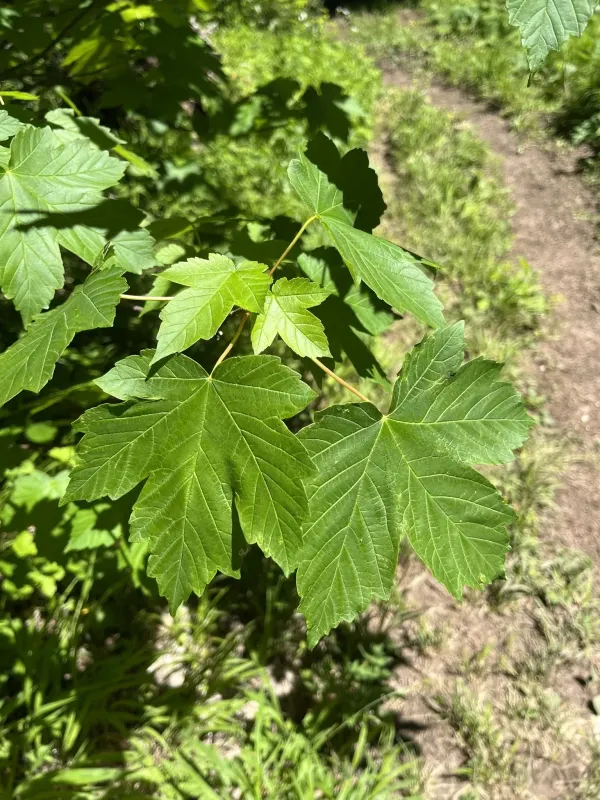
The Trautvetter maple (Acer trautvetteri) is a majestic deciduous tree belonging to the Sapindaceae family. Native to the mountainous regions of the Caucasus, this species has evolved to thrive in high-altitude environments characterized by distinct cold seasons.
This tree species prefers fertile, well-drained soils with a slightly acidic to neutral pH. It exhibits excellent cold hardiness, making it an ideal choice for temperate regions where winter temperatures drop significantly below freezing.
When selecting a planting site, it is essential to prioritize locations that provide sufficient moisture while maintaining excellent drainage. Although tolerant of various light conditions, young saplings require protection from harsh direct afternoon sun to prevent leaf scorching.
Agricultural management includes routine soil aeration and regular mulching to preserve ground moisture levels. Fertilization should be applied sparingly, focusing on organic amendments that support slow and steady growth rather than excessive vegetative stimulation.
In landscaping, the Trautvetter maple is highly valued for its elegant canopy structure and beautiful foliage colors during the transition seasons. It is commonly used as a specimen tree or in formal alley plantations.
Main diseases and pests
The Trautvetter maple is occasionally affected by powdery mildew, especially in environments with poor air circulation. Regular thinning of branches is recommended to ensure adequate canopy ventilation and minimize fungal spore development.
Pests such as aphids and leaf-eating beetles may cause aesthetic damage to the leaves. Integrated pest management strategies, including the introduction of beneficial insects, are highly effective for managing these populations in sustainable landscapes.
Root rot represents a significant risk if the soil becomes waterlogged for extended periods. Monitoring drainage systems and avoiding excessive irrigation is crucial for the long-term health of the plant.
Mechanical damage to the trunk can lead to secondary infections by wood-decaying fungi. Protective measures for the bark are recommended, especially in areas where human activity or wildlife might cause abrasion.
Maintaining high plant vigor through balanced nutrition and proper watering schedules is the primary defense against most diseases and environmental stressors throughout the tree's lifespan.