
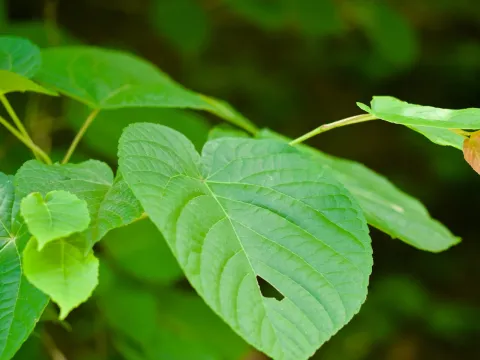
Acer distylum
Acer distylum
Acer distylum, commonly known as the lime-leaf maple, is a distinct species within the Sapindaceae family. It is native to the mountainous regions of Japan, specifically occurring on Honshu and Shikoku islands.
What the section contains
Acer distylum
This species thrives in cool, temperate climates and requires well-drained, nutrient-rich soils to reach its full potential. It is sensitive to drought conditions and performs best in locations that provide consistent moisture without waterlogging.
The tree is noted for its unique leaf morphology, featuring unlobed, ovate-oblong leaves that are quite atypical compared to the classic palmate shape seen in most Acer species. This makes it a prized specimen for botanical enthusiasts.
When selecting a planting site, it is crucial to provide a balance between sunlight and protection from harsh winds. While the tree can tolerate partial shade, it grows most vigorously in areas with ample diffused light.
Agricultural management involves regular monitoring of soil pH and nutrient content. Applying a layer of organic mulch around the base helps stabilize soil temperature and improves overall soil structure over time.
Like many members of the genus Acer, this species is susceptible to Verticillium wilt, a soil-borne fungal disease. Once infected, the vascular system of the tree is compromised, often leading to rapid decline or death.
Foliar diseases such as powdery mildew are common during seasons with high humidity and poor air circulation. Implementing proper spacing between trees helps reduce the risk of such outbreaks significantly.
Insects like aphids and scale insects are known to infest the foliage and branches. Regular inspections during the spring and summer months allow for early intervention using horticultural soaps or integrated pest management techniques.
Boring insects, particularly bark beetles, pose a severe threat to mature trees. Maintaining tree vigor through proper fertilization and watering is the best defense against these invasive pests.
Environmental stress, including late frost damage or excessive soil salinity, can weaken the plant's natural defenses, making it more prone to secondary infections from opportunistic fungi and bacteria.