
Acer grosseri
Acer grosseri
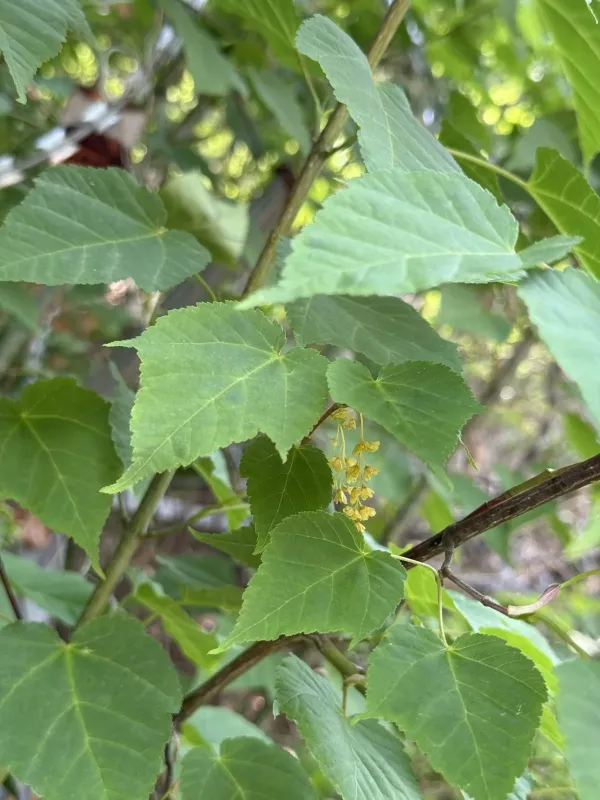
Description
Growing requirements
Acer grosseri, commonly known as Grosser's maple, is a deciduous tree species belonging to the Sapindaceae family. It is native to the mountain forests of China and is highly regarded as an ornamental specimen in temperate gardens.
The tree thrives in moist, well-drained, and slightly acidic soils rich in organic matter. Proper site selection is crucial; it performs best in sheltered locations that provide light shade, protecting it from harsh midday sun and strong desiccating winds.
Climate requirements include a cool, temperate environment. While it is hardy once established, young specimens benefit significantly from heavy mulching around the root zone to stabilize soil moisture levels and insulate against severe winter frost.
Maintenance practices involve consistent irrigation during dry spells, especially during the first few years after planting. It is essential to avoid waterlogged conditions, which can lead to root suffocation and increased susceptibility to soil-borne pathogens.
The primary use of Acer grosseri is in ornamental landscaping. Its striking white-striped bark, reminiscent of a snake, and brilliant orange-red autumn foliage make it an ideal choice for focal points in botanical gardens or private residential estates.
Main diseases and pests
This species is susceptible to various fungal pathogens, including Verticillium wilt, which is one of the most serious diseases affecting maples by blocking the xylem.
Powdery mildew and various leaf spot fungi may appear in damp conditions, necessitating proper crown pruning to ensure adequate airflow throughout the canopy.
Pests such as aphids and scale insects are common intruders. They can infest the undersides of leaves and young shoots, often leading to secondary sooty mold growth.
Boring insects can attack stressed trees, making it vital to maintain the tree's vigor through appropriate fertilization and stress-free growing conditions to prevent infestation.
Integrated pest management, including regular inspections and the removal of infected or dead wood, remains the most effective strategy for ensuring the long-term health of the tree.