
Acer caudatifolium
Acer caudatifolium
Description
Growing requirements
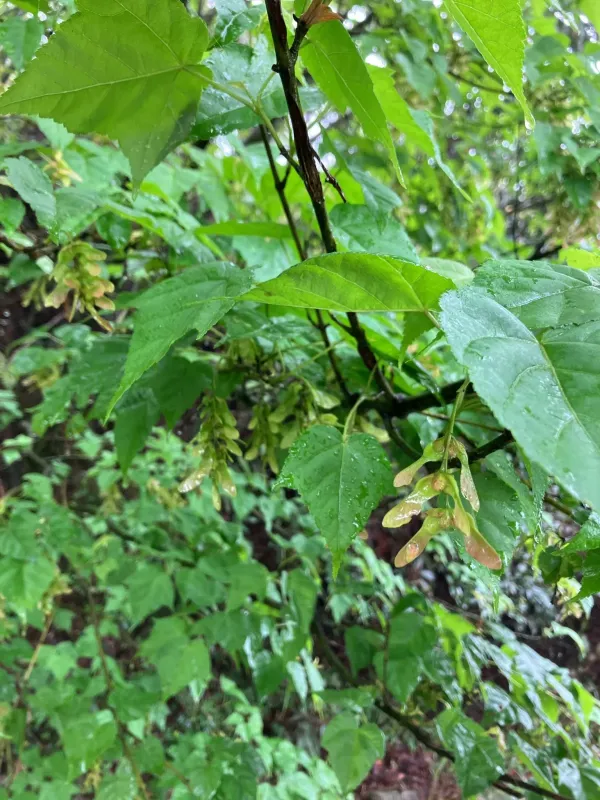
Acer caudatifolium, commonly known as the caudate-leaf maple, is a species belonging to the Sapindaceae family. It is native to the mountain forests of Taiwan, where it thrives in sheltered and humid environments.
The cultivation of this species requires well-drained, nutrient-rich soil that mimics the organic-rich leaf mold of its native habitat. It performs best in areas that offer consistent soil moisture and protection from harsh, drying winds.
Botanically, this maple is distinct for its elongated leaf tips, which provide a graceful aesthetic appearance. It is a slow-to-moderate grower, making it an excellent choice for specialized tree collections or sheltered landscape settings.
Climatically, it is suited to regions that can provide mild summers and adequate ambient humidity. In colder climates, young specimens should be protected during the winter months to prevent frost damage to the terminal buds.
The primary use of Acer caudatifolium is ornamental. Due to its relative rarity, it is highly valued by arborists and botanical gardens for its unique morphology and contribution to high-quality forest garden designs.
Main diseases and pests
Common horticultural threats include fungal diseases such as powdery mildew, which can develop in overcrowded or poorly ventilated planting sites. Proper spacing is essential to reduce the risk of leaf spot diseases.
Pest management should focus on monitoring for common maple pests like aphids and scale insects. These insects can cause significant foliage damage if left uncontrolled, potentially leading to a decline in the tree's vigor over several growing seasons.