
Acer paxii
Acer paxii
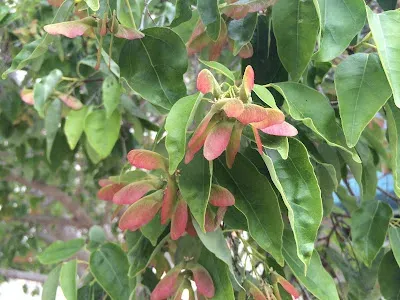
Description
Growing requirements
Acer paxii, commonly known as the Pax maple, belongs to the Sapindaceae family. This species is native to the mountain regions of Southern China, where it thrives in subtropical climatic conditions at high altitudes.
Botanically, it is distinguished by its leathery, often evergreen foliage, which sets it apart from the more common deciduous maples found in temperate zones. The tree typically maintains a compact habit, making it suitable for specialized collections.
The plant requires well-drained, nutrient-rich soil to thrive. It is sensitive to waterlogged conditions, which can quickly lead to root rot. A loamy soil structure with a neutral to slightly acidic pH is ideal for promoting healthy root expansion.
Regarding climate, Acer paxii prefers locations with high humidity and protection from harsh, drying winds. While it enjoys a bright environment, protection from intense mid-day sun is recommended to prevent leaf scorching during the summer months.
In terms of agricultural management, regular but moderate irrigation is essential, especially for young plants. Providing a layer of organic mulch around the base of the tree helps to regulate soil temperature and retain necessary moisture.
Main diseases and pests
Like many species in the Acer genus, the Pax maple is susceptible to verticillium wilt, a soil-borne fungal disease that affects the tree's vascular system. Preventing root injury is a key management strategy to avoid this infection.
Powdery mildew represents another common threat, particularly in environments with poor air circulation and high humidity. Ensuring proper spacing between trees and thinning the canopy can significantly reduce the risk of this fungal outbreak.
Pests such as mites and aphids can infest the tender foliage during the growing season. Early detection and the application of appropriate horticultural oils or systemic insecticides can help manage these populations effectively.
Stem borers may occasionally attack trees that are already weakened by poor nutrition or environmental stress. Maintaining optimal tree vigor through balanced fertilization is the primary method of defense against such invasive pests.
Environmental stress, including extreme winter cold or frost, can cause cracks in the bark. These fissures serve as entry points for pathogens, emphasizing the need for winter protection for younger or newly established trees.