
Acer litseifolium
Acer litseifolium
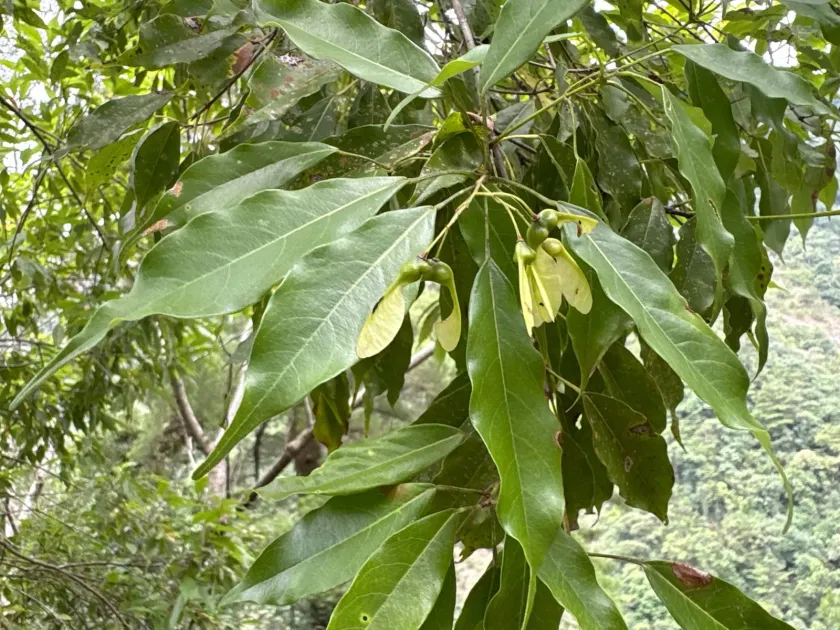
Description
Sowing dates
Seeds of Acer litseifolium should be sown in the autumn shortly after harvesting to allow for natural stratification in the soil throughout the winter. If sowing is delayed until spring, the seeds must undergo artificial cold stratification at 1–5 degrees Celsius for several months.
The optimal planting depth is approximately 2–3 centimeters, covered with a fine, moist soil layer. Proper hydration is essential during the germination phase to ensure the survival of the sensitive young seedlings as they emerge from the substrate.
In nursery settings, seeds are often sown in deep containers using a peat-based mix to allow for precise control over soil temperature and moisture. This method reduces the stress on the developing root systems during the initial growth stages.
Vegetative propagation via cuttings is performed using semi-hardwood material collected in early summer. Cuttings should be treated with rooting hormones and maintained in a high-humidity environment to ensure successful callus formation and root development.
Transplanting seedlings to their final location is best done during the dormant period, either early spring before bud break or late autumn after the foliage has fallen. This timing minimizes transplant shock and promotes better establishment in the landscape.
Growing requirements
As a member of the Sapindaceae family, Acer litseifolium requires nutrient-rich, well-draining soil to thrive. It performs best in loam soils with adequate organic matter, and it is sensitive to heavy compaction, which can impede root health and nutrient uptake.
This tree prefers locations that are sheltered from strong winds, as excessive exposure can lead to leaf scorch and branch damage. While it can handle partial shade in its juvenile years, it typically exhibits more vigorous growth in full sun conditions.
Consistent watering is necessary during the establishment phase and during periods of prolonged drought. Mulching the base of the tree helps retain soil moisture and suppresses competition from weeds, which is crucial for young saplings.
Soil pH should remain near neutral to slightly acidic for optimal nutrient availability. If the soil is too alkaline, the plant may exhibit symptoms of chlorosis, requiring the application of iron chelates to restore healthy green foliage.
Annual fertilization with a balanced, slow-release fertilizer in early spring encourages robust growth. Providing sufficient space for the root system to expand is also essential for the long-term vitality of the tree in a garden setting.
Main diseases and pests
Powdery mildew is a common fungal threat that appears during periods of high humidity and poor air circulation. Effective management involves selective pruning of the canopy to improve airflow and the application of appropriate systemic fungicides.
Leaf spot diseases can cause premature leaf drop and reduce the overall aesthetic appeal of the tree. Clearing away leaf litter at the end of the season is a critical sanitation step to break the lifecycle of the fungi responsible for these infections.
Pests such as aphids and leaf-rollers can cause significant damage to new terminal shoots during the spring. Monitoring and the timely use of horticultural soaps or selective insecticides help keep pest populations below an economically damaging threshold.
Wood-boring insects may target stressed or weakened trees by drilling into the bark and trunk. Maintaining plant vigor through proper irrigation and feeding is the best defense against these internal pests, as healthy trees can naturally resist most attacks.
Spider mites are a particular concern during hot, dry summer months, often leading to stippling of the leaves. Increasing humidity through regular canopy rinsing or using specific miticides helps prevent severe infestations and maintains tree health.